


Why is my eczema worse at night?
One of the most frustrating things about eczema is that it never seems to flare at a convenient time.
You get through the day feeling relatively okay, only to climb into bed and suddenly find yourself scratching, uncomfortable and wondering why your skin feels so much worse at night.
If you've experienced this, you're not imagining it.
Night-time itching is incredibly common for people with eczema and sensitive skin. In fact, many people find their symptoms become more noticeable once the sun goes down.
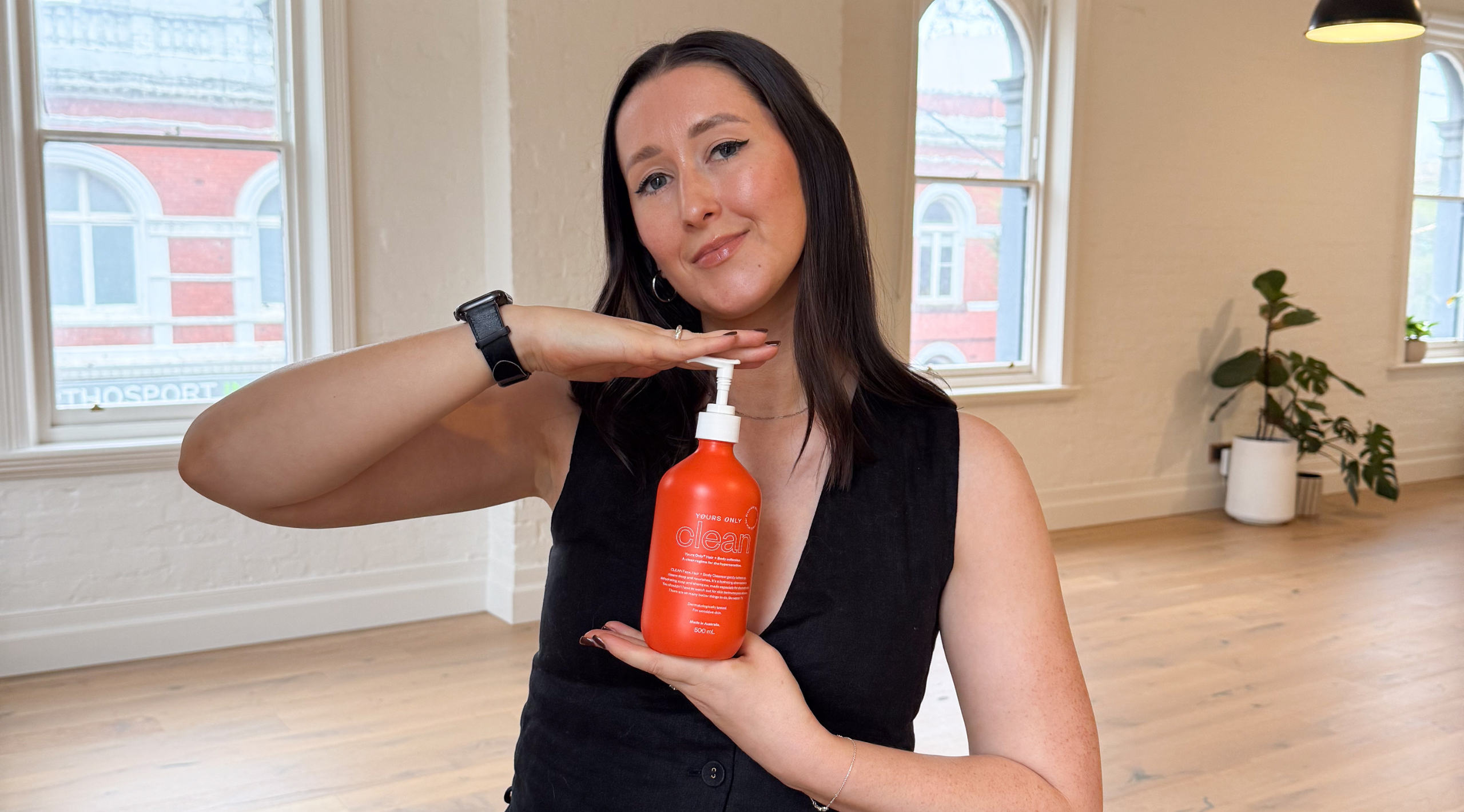
At Yours Only, this is something we hear about all the time. It's one of the reasons I created products like CLEAN 8-in-1 Hair, Face + Body Cleanser and COAT Face + Body Moisturiser. I wanted to help simplify skincare for people whose skin is already working overtime. Because when you're dealing with eczema, the last thing you need is a complicated routine full of potential irritants.
The good news? There's usually a reason behind why eczema feels worse at night.
As someone with hypersensitive skin myself, I've spent years learning about the factors that can make eczema flare and why symptoms often seem to peak at bedtime. Understanding what's happening can help you make small changes that support your skin barrier and hopefully help you get a better night's sleep.
Why does eczema often feel worse at night?
There isn't one single reason. Instead, the answer is kind of complicated. Several factors tend to come together at the same time.
Your body's natural rhythms change
Throughout the day, your body produces cortisol, a hormone that helps regulate inflammation. At night, cortisol levels naturally decrease as your body prepares for sleep.
For people with eczema, this reduction in anti-inflammatory activity can sometimes make itching and irritation feel more noticeable.
Your body temperature rises
Body temperature naturally fluctuates over a 24-hour period and tends to increase slightly during the evening. For eczema-prone skin, even small increases in temperature can trigger itching.
That's why many people notice their symptoms become worse under heavy blankets, in overheated bedrooms or after a hot shower before bed.
There are fewer distractions
During the day, work, family, exercise and everyday life keep your mind occupied. At night, everything goes quiet. Without those distractions, it's much easier to become aware of every itch, tingle or area of irritation.
Your eczema may not actually be significantly worse than it was during the day. You're simply more aware of it.
Your skin barrier may be struggling overnight
One of the most important things to understand about eczema is that it's closely linked to skin barrier dysfunction.
Your skin barrier acts like a protective shield, helping keep moisture in and irritants out. When the barrier is compromised, skin loses water more easily and becomes more vulnerable to dryness, irritation and itching. This process is known as transepidermal water loss, and it can continue while you sleep. If your skin is already dry or sensitive, you may wake up feeling tighter, itchier and more uncomfortable than when you went to bed.
Can stress make eczema worse at night?
Absolutely. Stress doesn't directly cause eczema, but it can influence flare-ups and symptom severity. I've noticed this myself over the years. During particularly stressful periods, my skin often feels more reactive and my symptoms seem harder to ignore once I'm trying to wind down.
When stress levels are elevated, the body releases chemicals that can contribute to inflammation and increase sensitivity. Combine that with fewer distractions and it's easy to see why night-time can feel particularly challenging.
Could your bedroom environment be making eczema worse?
Sometimes the issue isn't your skin at all. It's your environment. A few common culprits include:
-
Indoor heating
-
Dry winter air
-
Heavy bedding
-
Hot showers before bed
-
Fragranced laundry detergents
-
Overheating during sleep
All of these factors can contribute to increased dryness and irritation. If your eczema tends to flare overnight, it may be worth looking at your environment as well as your skincare routine.

How to help calm eczema before bed
The goal isn't to create a complicated night-time routine. In my experience, sensitive skin rarely needs more products. It usually needs less to fight against. Here are a few things that may help:
Keep showers warm, not hot: Hot water can strip away natural oils and leave skin feeling drier and more vulnerable.
Avoid overheating: Try keeping your bedroom cool and avoid excessively heavy bedding where possible.
Be mindful of potential irritants: Fragrances, harsh cleansers and overly active skincare products can place unnecessary stress on an already compromised skin barrier.
Focus on consistency: A simple routine that supports the skin barrier every day is often more helpful than constantly switching products or trying the latest skincare trend.
A simple night-time routine for eczema-prone skin
At Yours Only, I created our products because I know how overwhelming skincare can feel when your skin is already struggling.
When my own skin was at its most reactive, I didn't need more products. I needed fewer risks.
A simple evening routine should look like this:
Step 1: Cleanse gently
Use CLEAN 8-in-1 Hair, Face + Body Cleanser to remove dirt, sweat and buildup without adding unnecessary irritants.
Step 2: Moisturise consistently
Apply COAT Face + Body Moisturiser to help nourish dry, sensitive skin and support a healthy skin barrier overnight.
Step 3: Protect particularly dry areas
For cracked, rough or extra-dry patches, apply Lip + Body BALM wherever additional nourishment and protection is needed.
Because when your eczema is already demanding enough attention, your skincare routine shouldn't make life harder.
Key takeaways
-
Eczema commonly feels worse at night.
-
Lower cortisol levels, rising body temperature and fewer distractions can all contribute to increased itching.
-
A compromised skin barrier may lead to greater moisture loss overnight.
-
Stress, indoor heating and dry air can make symptoms feel worse.
-
A simple, consistent routine focused on supporting the skin barrier may help reduce irritation and improve comfort.
Shop CLEAN, COAT and BALM at Yours Only. Developed for sensitive skin, our simple three-step routine helps cleanse, nourish and protect without fragrance or common irritants.