

Can stress trigger eczema?
One of the most common questions I get asked is whether stress can trigger eczema. And honestly? It's a fair question.
Many people notice their skin seems relatively calm until life gets busy. A big work deadline, family stress, poor sleep, financial pressure or even something exciting like moving house can suddenly be followed by an eczema flare up.
I've experienced something similar myself.
As someone with hypersensitive skin and multiple autoimmune conditions, I've learnt that what's happening inside our bodies can often show up on our skin.
While stress doesn't directly cause eczema, it can absolutely play a role in triggering or worsening flare ups for people who are already prone to them.
Let's look at why.
What happens to your skin when you're stressed?
When you're under stress, your body releases hormones such as cortisol as part of its natural stress response.
In small amounts, this isn't necessarily a bad thing. Stress is a normal part of life.
The problem is when stress becomes ongoing.
Chronic stress can contribute to increased inflammation throughout the body, impact sleep quality and affect how well your skin barrier functions.
Your skin barrier is your body's protective outer layer. Its job is to help keep moisture in and irritants out.
When that barrier becomes compromised, skin can become drier, more reactive and more prone to itching and irritation.
For people with eczema, this can create the perfect environment for a flare up.
Why does stress make eczema worse?
There's rarely one single cause of an eczema flare. Usually, it's a combination of factors. Stress can contribute by:
-
Increasing inflammation
-
Disrupting the skin barrier
-
Making skin more reactive
-
Increasing itch sensations
-
Affecting sleep quality
-
Making it harder for the body to recover
For many people, stress also leads to increased scratching, often without even realising it.
And as anyone with eczema knows, scratching can further damage the skin barrier and prolong the flare.

Can anxiety cause eczema flare ups?
Potentially, yes. Anxiety activates many of the same stress pathways in the body.
When you're feeling anxious, your nervous system becomes more alert and your body can remain in a heightened state of stress for extended periods.
This can contribute to increased inflammation and skin sensitivity, which may worsen existing eczema symptoms.
Some people also notice their itching becomes more intense during periods of anxiety, creating an itch-scratch cycle that's difficult to break.
Signs stress may be contributing to your eczema
Everyone's triggers are different, but stress may be playing a role if you notice:
-
Flare ups during busy or challenging periods
-
Symptoms worsening around major life events
-
Increased itching at night
-
Poor sleep alongside worsening skin
-
Skin improving when you're on holidays or feeling more relaxed
-
Symptoms appearing despite no obvious changes to your skincare routine
Of course, eczema can have many triggers, including weather changes, allergens, irritants and certain ingredients. But stress is often an overlooked piece of the puzzle.
The stress and eczema cycle
One of the frustrating things about eczema is that stress and eczema can feed into each other.
Stress can contribute to a flare. The flare can cause itching, discomfort and poor sleep. The symptoms themselves then become stressful. Which can make the eczema worse. It's a cycle many people find themselves stuck in.
Understanding that connection can be helpful because it reminds us that managing eczema isn't always just about what we're putting on our skin. It's also about supporting our overall wellbeing.
How to manage stress-related eczema
Unfortunately, eliminating stress completely isn't realistic. If anyone figures out how to do that, please let me know. What we can do is focus on reducing unnecessary stress on both our bodies and our skin. Some strategies that may help include:
Prioritising sleep: Poor sleep and eczema often go hand in hand. Creating a consistent bedtime routine and supporting good sleep habits may help reduce the impact of stress on the body.
Moving your body: Gentle movement such as walking, stretching or yoga can help many people manage stress levels. The goal isn't perfection. It's consistency.
Taking breaks from overstimulation: Sometimes the most helpful thing you can do is step away from the constant noise. A walk outside, reading a book or simply putting your phone down for a while can make a difference.
Simplifying your skincare routine: When skin feels irritated, it's natural to assume you need to add something new to fix it. Another serum, a stronger treatment or a different active ingredient. But for sensitive or eczema-prone skin, more products can sometimes create more opportunities for irritation.
In my experience, one of the most supportive things you can do during a flare is simplify your routine. Fewer products means fewer potential irritants, less guesswork and often less stress on an already overwhelmed skin barrier.
A gentle cleanser, a nourishing moisturiser and consistency are usually far more valuable than a complicated routine full of products your skin may not actually need. Sensitive skin rarely needs more. It often just needs less to fight against.

Supporting your skin barrier during stressful periods
When your skin is feeling reactive, consistency matters.
At Yours Only, I created our products specifically for sensitive skin because I know how overwhelming skincare can feel when your skin is already struggling. That's why I always come back to a simple three-step routine:
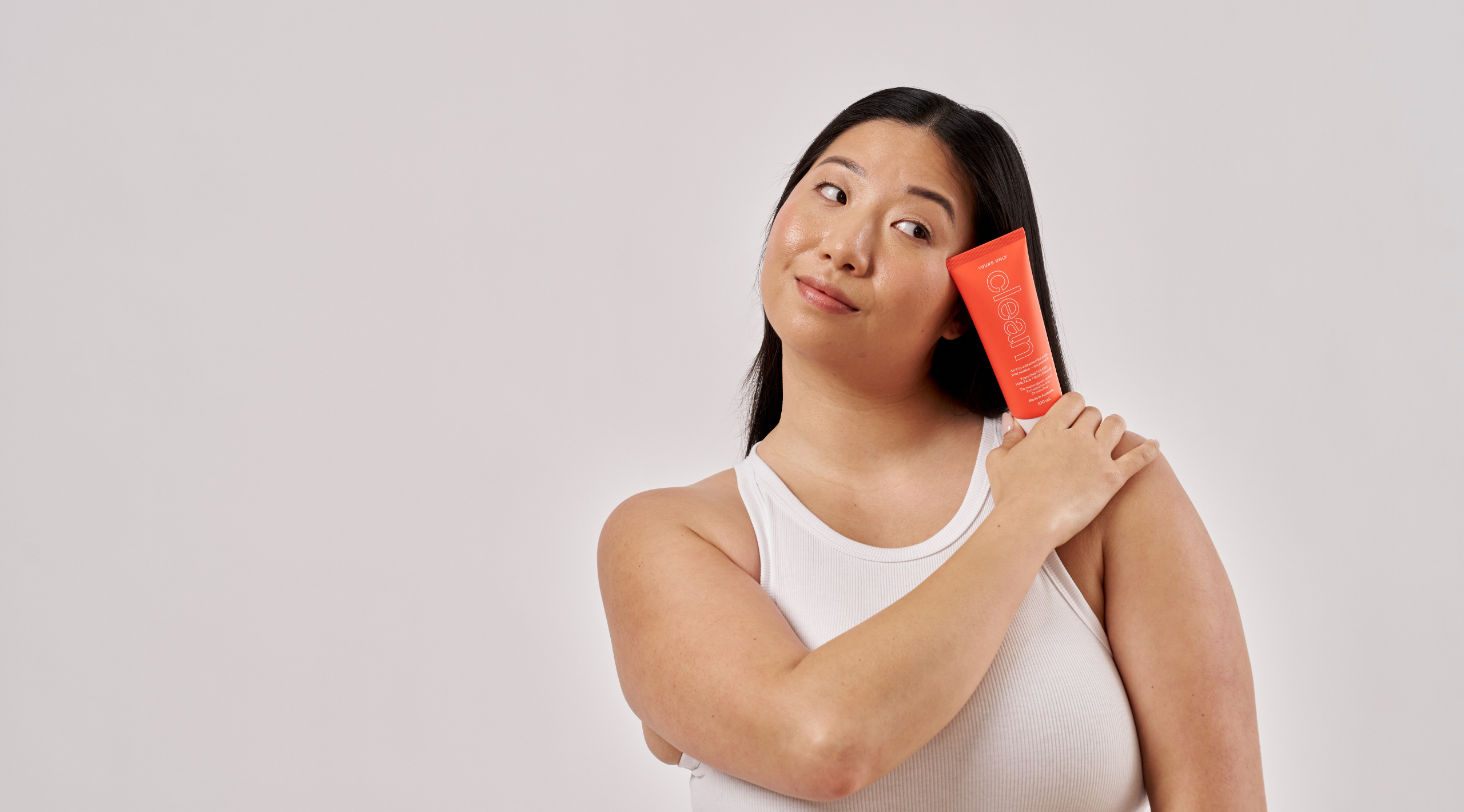
Step 1: CLEAN 8-in-1 Hair, Face + Body Cleanser to gently cleanse without stripping the skin.
Step 2: COAT Face + Body Moisturiser to nourish dry, sensitive skin and help support a healthy skin barrier.
Step 3: Lip + Body BALM for any areas that need a little extra support, whether that's dry lips, cracked skin or particularly irritated patches.
When stress levels are high, it's tempting to overhaul your routine or start adding more products in search of a quick fix. But sensitive skin often responds better to consistency than complexity.
A simple routine with fewer potential irritants can help support your skin barrier while reducing some of the guesswork that comes with managing eczema-prone skin.
Because when life feels stressful enough already, your skincare routine shouldn't add to it.
Key takeaways
-
Stress doesn't directly cause eczema, but it can trigger or worsen flare ups.
-
Chronic stress may contribute to inflammation, skin barrier disruption and increased itching.
-
Anxiety can also play a role in worsening eczema symptoms for some people.
-
Managing stress and supporting your skin barrier may help reduce flare frequency.
-
Sensitive skin often benefits from a simpler routine with fewer potential irritants.
-
Consistency is usually more important than complexity when it comes to eczema-prone skin.
Shop CLEAN, COAT and BALM at Yours Only. Developed for sensitive skin, our simple three-step routine is designed to gently cleanse, nourish and support your skin barrier without fragrance or common irritants.