

What happens to your skin when you stop using actives?
If you've been using retinol, exfoliating acids or other active ingredients for a while, the thought of stopping can feel a little scary. Will your skin suddenly get worse? Will wrinkles appear overnight? Will your acne come straight back?
The short answer? Probably not.
In fact, if you have sensitive skin, taking a break from active ingredients can sometimes be exactly what your skin has been asking for.
At Yours Only, we take a different approach to skincare. I created our products after years of living with hypersensitive skin, eczema and autoimmune conditions myself. Instead of encouraging complicated routines packed with active ingredients, we focus on supporting the skin barrier with fewer, hardworking products.
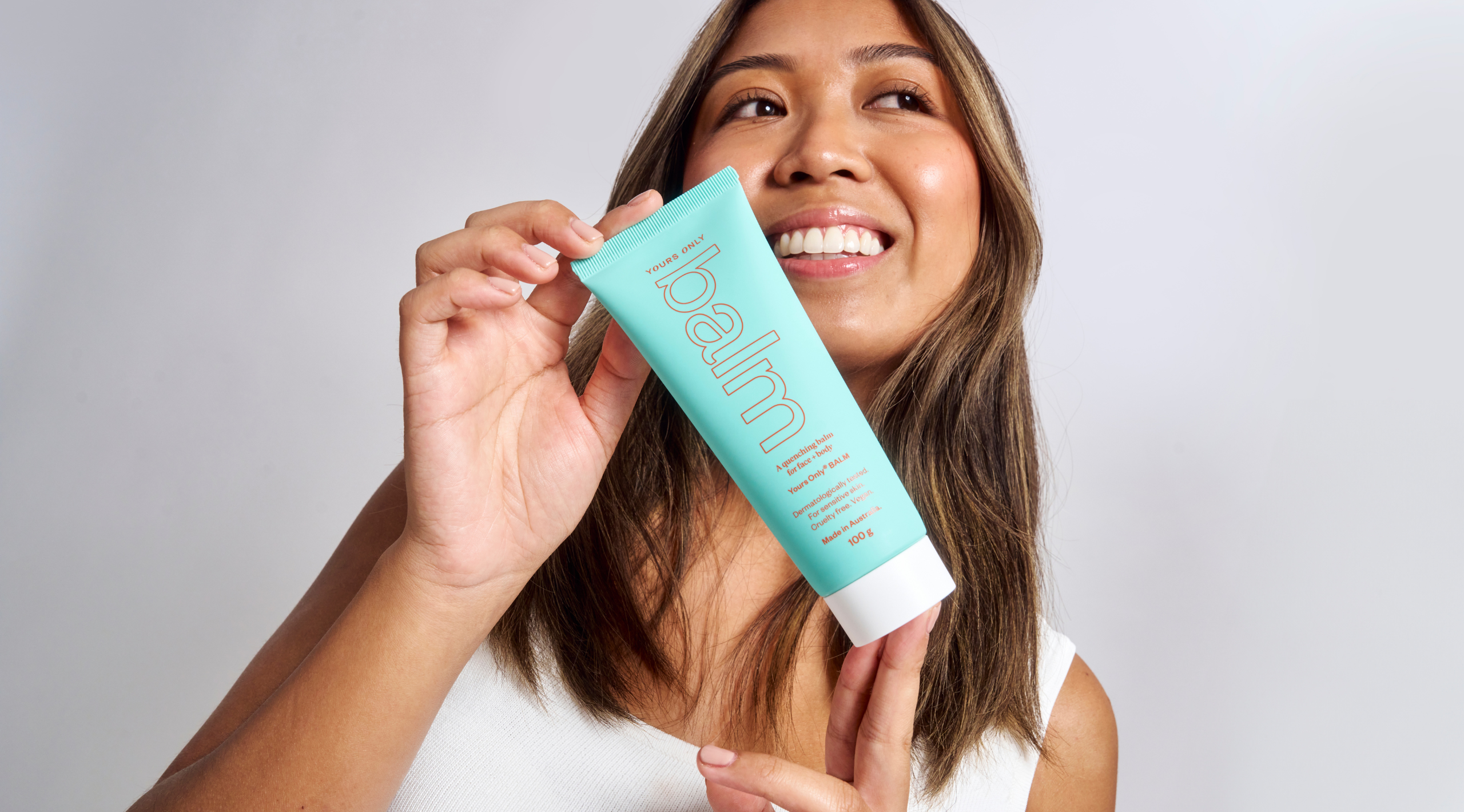
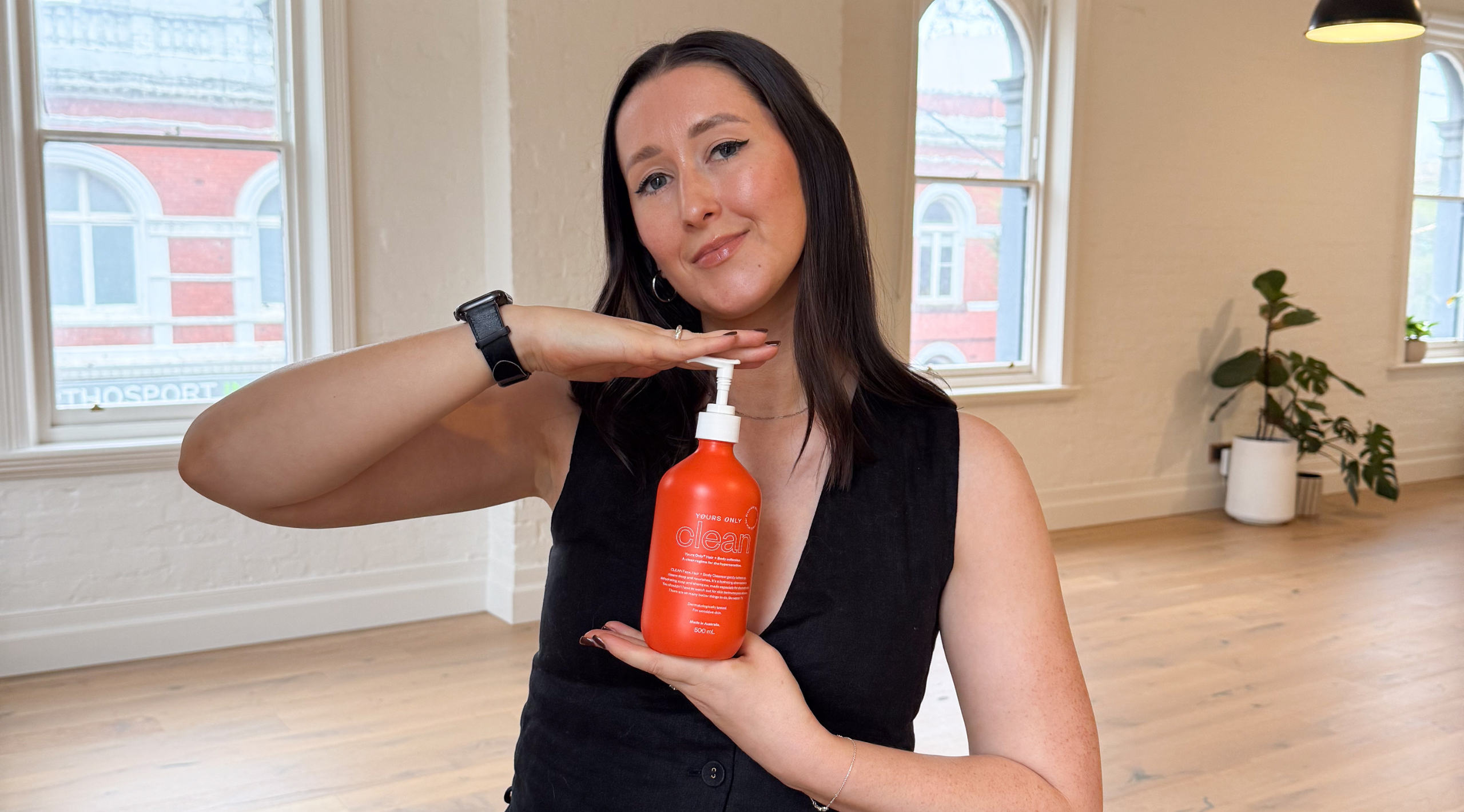
I always recommend a simple routine starts with CLEAN 8-in-1 Hair, Face + Body Cleanser to gently cleanse without fragrance or common irritants, followed by COAT Face + Body Moisturiser, which contains just eight ingredients and helps nourish dry, sensitive skin while supporting a healthy skin barrier. If your skin needs extra support, Lip + Body BALM helps protect particularly dry, cracked or irritated areas.
Because in my experience, sensitive skin rarely needs more. It usually needs less to fight against. Especially if it’s been overloaded with active ingredients.

What are active ingredients?
Active ingredients are ingredients included in skincare to target a specific concern. Some of the most common include:
-
Retinol and other retinoids for signs of ageing and acne
-
AHAs like glycolic acid and lactic acid for exfoliation
-
BHAs like salicylic acid for oily and blemish-prone skin
-
Vitamin C to brighten skin and help improve uneven tone
-
Benzoyl peroxide for acne
These ingredients can be incredibly effective when they're appropriate for your skin type and used correctly. However, they can also increase the risk of irritation, particularly if you have sensitive, reactive or eczema-prone skin, or if you're using several actives at once.

What happens when you stop using actives?
The answer depends on why you were using active ingredients in the first place. If you stop using retinol, you may gradually lose some of the benefits it provides over time. If you stop using exfoliating acids, your skin simply returns to its natural rate of cell turnover.
What doesn't happen is your skin suddenly becoming "dependent" on active ingredients. Instead, it adjusts back to functioning without them.
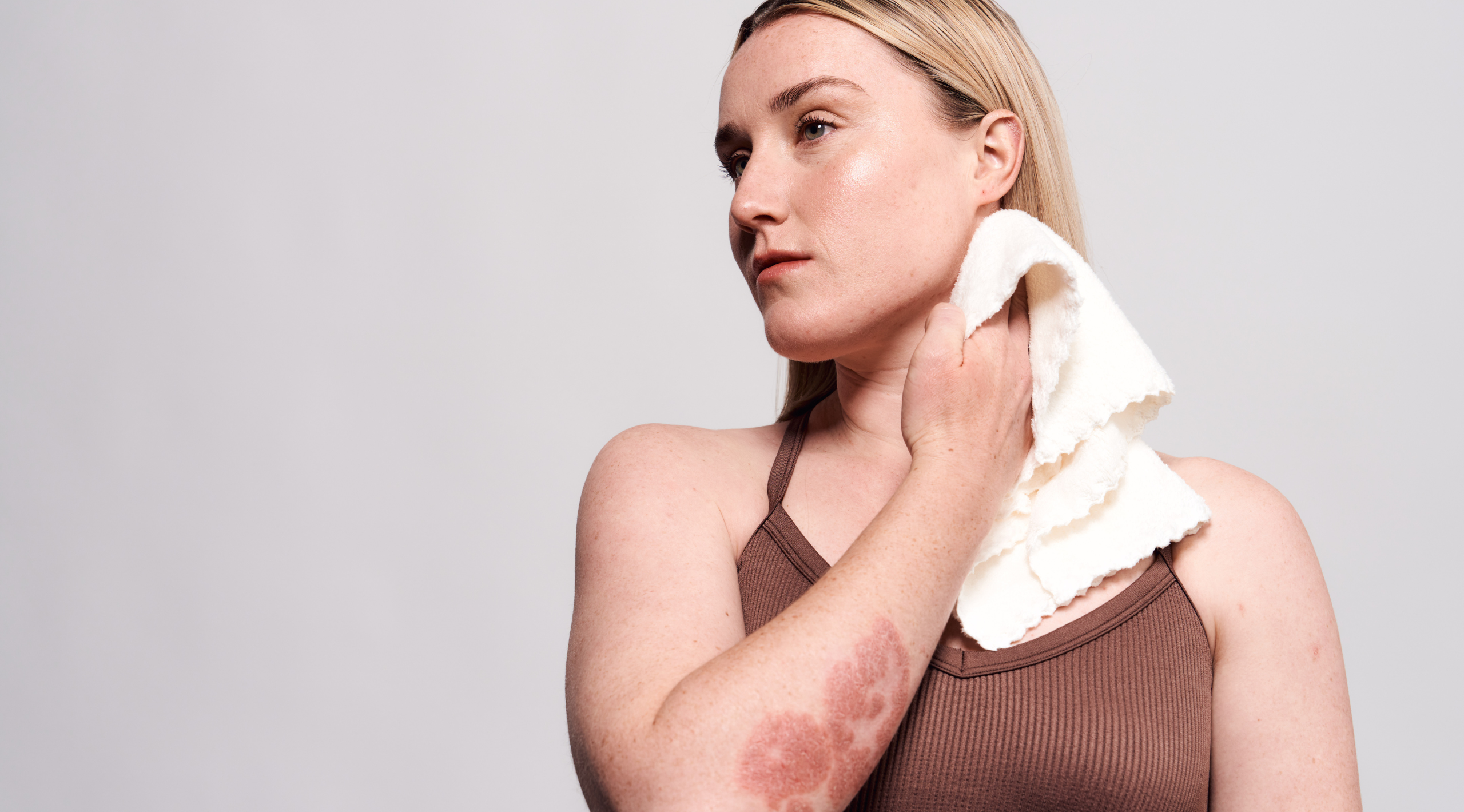
For people with sensitive skin, that adjustment can sometimes be surprisingly positive. Without the constant challenge of exfoliating acids, retinoids or multiple active ingredients, the skin barrier has an opportunity to recover. As inflammation settles, many people notice their skin feels less tight, less reactive and more comfortable. Redness may improve, products are less likely to sting, and skin often feels more balanced overall.
It's one of the reasons why simplifying your routine can be so powerful. While active ingredients certainly have their place, sensitive skin doesn't always need more. Sometimes giving your skin fewer potential irritants is exactly what helps it look and feel its healthiest.
Here are some of the unexpected benefits of cutting out actives for people with sensitive skin:
Your skin barrier has a chance to recover
Think of your skin barrier as your body's protective shield. It helps keep moisture in while defending against irritants, allergens and environmental stressors.
When you use active ingredients too frequently or layer several together, that barrier can become compromised. This can lead to:
-
Dryness
-
Redness
-
Burning or stinging
-
Tightness
-
Flaking
-
Increased sensitivity
-
Products suddenly "stinging" when applied
Taking a break from actives gives your skin barrier an opportunity to recover without being constantly challenged. For many people, this can mean skin that feels calmer, more comfortable and less reactive within a few weeks.
Your skin may actually feel better
This surprises a lot of people because we're constantly told that better skin comes from adding more products. More serums, more treatments and more active ingredients. But for sensitive skin, that's often not the case.
One of the most common causes of irritation we see isn't a lack of skincare – it's simply too much of it. Using multiple exfoliants, rotating retinol with acids, trying every trending ingredient on social media or changing products every few weeks can place unnecessary stress on an already sensitive skin barrier.
Sometimes the best thing you can do isn't add another product. It's giving your skin less to fight against. When you remove the constant cycle of irritation, your skin has the opportunity to settle, recover and do what it was designed to do.
Signs your skin might need a break from actives
If you've noticed any of the following, your skin may benefit from simplifying your routine:
-
Your moisturiser suddenly stings
-
Your skin feels tight all day
-
You have persistent redness
-
Your skin feels dry no matter how much moisturiser you apply
-
Products you've always used suddenly irritate your skin
-
Your skin feels more reactive than usual
These aren't always signs that you're allergic to your skincare. Often, they're signs that your skin barrier is asking for a little support.

What should you use instead?
Taking a break from active ingredients doesn't mean doing nothing.
It means focusing on the fundamentals. For sensitive skin, that usually looks like:
Step 1: Cleanse gently
Avoid harsh cleansers that leave your skin feeling squeaky clean or tight.
At Yours Only, CLEAN was created specifically for sensitive skin. It gently removes dirt, sunscreen and impurities without fragrance or common irritants, helping you cleanse without adding unnecessary stress to your skin barrier.
Step 2: Nourish your skin barrier
A good moisturiser does much more than hydrate.
It helps reduce moisture loss, supports the skin barrier and makes skin feel more comfortable while it recovers.
That's exactly why I created COAT. It contains just eight ingredients and was designed for skin that reacts to everything else. Rather than overwhelming sensitive skin with long ingredient lists, it focuses on giving your skin the nourishment it actually needs.
Step 3: Protect particularly dry areas
If certain areas are feeling extra dry, cracked or irritated, they may benefit from additional protection.
BALM can be used anywhere your skin needs a little extra nourishment, from dry lips to flaky patches around the nose, hands, elbows or anywhere else that needs some extra love.
Do you need active ingredients forever?
Not necessarily. Some people love using active ingredients and tolerate them well for years. Others discover that their skin feels happier with fewer products and a much simpler routine.
Neither approach is right or wrong. The key is listening to your skin rather than following every skincare trend.
If your skin feels calm, comfortable and healthy with a simple routine, you don't need to add active ingredients simply because everyone else is.
Key takeaways
-
Stopping active ingredients doesn't cause your skin to suddenly become worse.
-
Your skin barrier may have a chance to recover from irritation caused by overuse.
-
Sensitive skin often benefits from fewer products and fewer potential irritants.
-
A gentle cleanser and barrier-supporting moisturiser are often enough while your skin recovers.
-
The best skincare routine is the one your skin can comfortably tolerate consistently.
Frequently asked questions
Will my skin get worse if I stop using retinol?
Not immediately. Some of retinol's benefits, such as improvements in fine lines or acne, may gradually lessen over time, but your skin won't suddenly become worse overnight.
How long should I stop using active ingredients?
If you're experiencing irritation or signs of a damaged skin barrier, many dermatologists recommend simplifying your routine for several weeks while your skin recovers. If symptoms persist, it's worth speaking with your GP or dermatologist.
Can you repair a damaged skin barrier?
In many cases, yes. A simple routine focused on gentle cleansing, moisturising and avoiding unnecessary irritants can help support the skin barrier while it recovers.
Is a simple skincare routine enough?
For many people, especially those with sensitive skin, yes. Healthy skin doesn't always require multiple serums or active ingredients. Often, consistency and barrier support make a much bigger difference.
Shop CLEAN, COAT and BALM at Yours Only. Developed for sensitive skin, our simple three-step routine helps cleanse, nourish and protect your skin barrier without fragrance or common irritants.