

Skin cycling vs skin simplifying: Which approach is better for sensitive skin?
For the past few years, skin cycling has been one of the biggest trends in skincare. The idea is simple: rotate active ingredients like exfoliating acids and retinol on different nights, then give your skin time to recover before repeating the cycle.
My thoughts on skin cycling? For some people, it can be a helpful way to avoid overusing powerful ingredients.
But if you have sensitive skin, eczema or a skin barrier that's already feeling a little overwhelmed, you might be wondering whether you need skin cycling at all.
It's a question we get asked all the time at Yours Only.
As someone with hypersensitive skin, eczema and multiple autoimmune conditions, I've learnt that my skin rarely thanks me for adding more products or trying the newest serum that’s trending on TikTok. It usually responds best when I simplify everything and keep it consistent.
That's exactly why I created Yours Only. Every product is multi-use, not to cram multiple steps into one bottle, but because I've learnt that sensitive skin often does better with fewer products, fewer ingredients and fewer opportunities for irritation.
So, let's look at skin cycling versus skin simplifying, and which approach may be the better fit for your skin.
What is skin cycling?
Skin cycling is a structured skincare routine that rotates active ingredients across several nights.
A typical routine looks something like this:
-
Night 1: Exfoliation
-
Night 2: Retinol
-
Nights 3 and 4: Recovery using gentle, hydrating products
The goal is to get the benefits of active ingredients while reducing the risk of irritation from using them every night.
For people with resilient skin, this can be a useful way to introduce stronger ingredients without overdoing it.

What is skin simplifying?
Skin simplifying takes almost the opposite approach. Instead of building your routine around active ingredients, it focuses on supporting your skin with fewer products and fewer potential irritants.
That doesn't mean skincare becomes less effective. It means every product has a clear purpose.
For many people with sensitive skin, skin simplifying often means:
-
Using a gentle cleanser
-
Applying a nourishing moisturiser
-
Protecting particularly dry areas with a balm when needed
-
Avoiding unnecessary products or ingredients that aren't adding value
Rather than constantly asking what else to add, skin simplifying asks what you might not actually need.
What's the biggest difference?
The biggest difference is where each approach places its focus.
Skin cycling is designed to maximise the use of active ingredients.
Skin simplifying is designed to minimise unnecessary stress on the skin.
The most important thing to remember? The best routine is always the one your skin tolerates well and that you can maintain consistently.
Is skin cycling good for sensitive skin?
It can be, but it isn't always. If your skin tolerates retinol and exfoliating acids well, skin cycling may help you use them more comfortably than applying them every night.
However, most people with sensitive skin aren't struggling because they aren't using enough active ingredients. They're struggling because their skin barrier is already under pressure. Adding exfoliating acids, retinol and multiple treatment products – even on different nights – may still be too much if your skin is already reactive.
If your skin stings after moisturising, feels tight, becomes red easily or reacts to lots of products, your priority may be supporting your skin barrier before introducing stronger actives.
Why your skin barrier matters
Your skin barrier plays an essential role in keeping moisture in and irritants out. When it's healthy, your skin feels stronger, more comfortable and less reactive. But when it's compromised, products you've used for years can suddenly sting, your skin may feel tight or inflamed, and irritation becomes much more common.
This is often when people start adding more skincare in the hope that something will fix it. Another serum. Another active. Another "miracle" treatment.
In reality, that's rarely what sensitive skin needs. More often, the answer is simplifying your routine, staying consistent and giving your skin fewer potential irritants to fight against while the barrier has the opportunity to recover.
Signs your routine might be too complicated
Sometimes your skincare routine is doing more than your skin actually needs. It may be worth simplifying if you regularly experience:
-
Burning or stinging when applying products
-
Persistent redness
-
Tightness after cleansing
-
Dry, flaky patches
-
Constantly switching products hoping something will work
-
Using multiple exfoliants or active ingredients throughout the week
More products don't automatically mean better results. In fact, one of the most common causes of irritation I see is simply too much skincare.

A simple three-step routine for sensitive skin
If your skin feels overwhelmed, I'd start by simplifying. Sensitive skin rarely benefits from adding more products, more active ingredients or more complicated routines. More often, it responds best to consistency, gentle formulas and fewer potential irritants. That's the philosophy I built Yours Only around: multi-use products that work hard, so your skin doesn't have to. Here's the simple three-step routine I recommend for supporting a healthy skin barrier.
Step 1: Gently cleanse
Use a cleanser that removes dirt, sunscreen and makeup without stripping your skin.
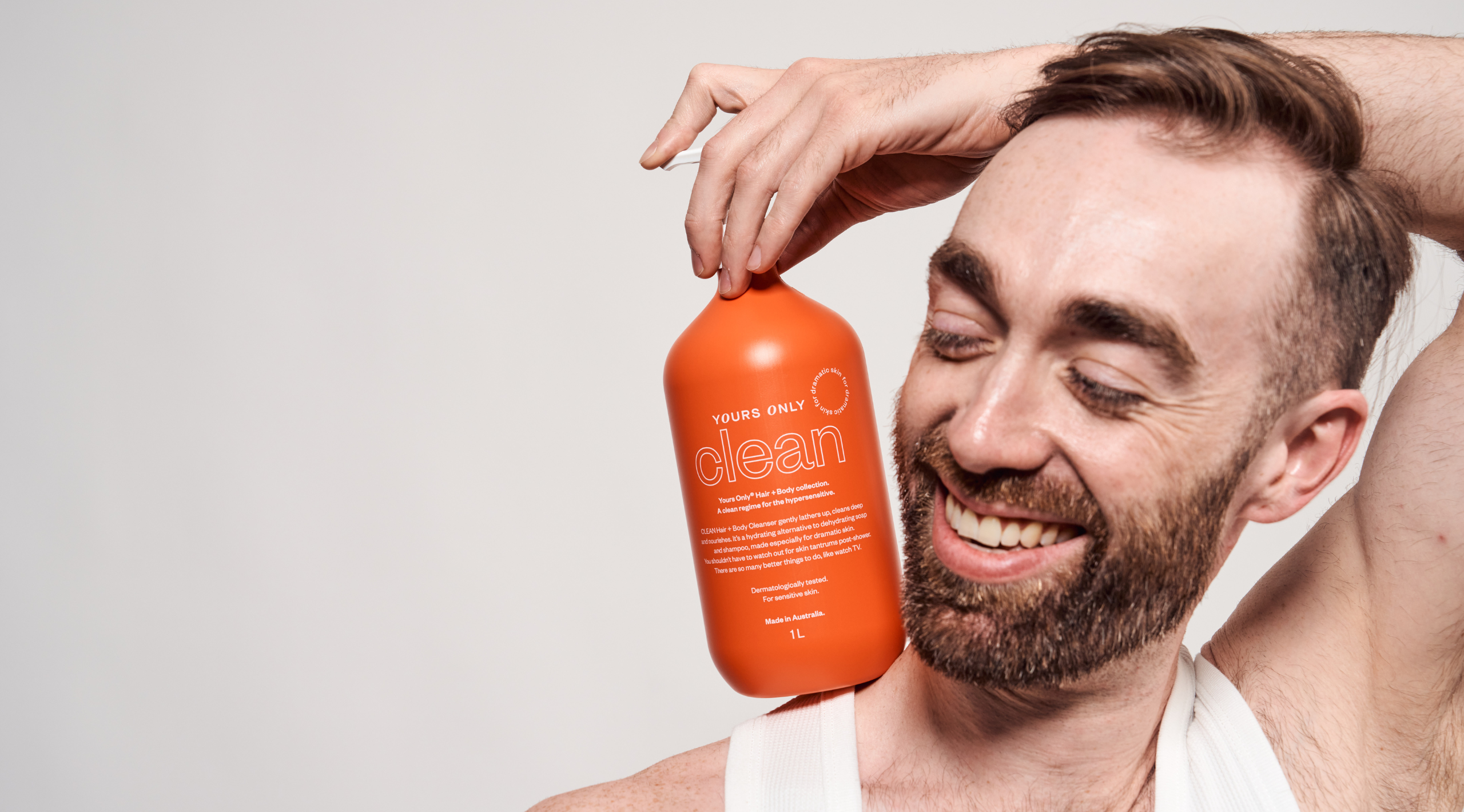
CLEAN 8-in-1 Hair, Face + Body Cleanser was created to gently cleanse your face, body and hair without fragrance or common irritants, so you're reducing potential triggers from the very first step.
Step 2: Nourish your skin barrier
After cleansing, apply a moisturiser that helps support dry, sensitive skin rather than overwhelming it with dozens of ingredients.
I created COAT Face + Body Moisturiser with just eight ingredients because sensitive skin often doesn't need more. It needs products that work hard without giving your skin extra things to react to.
Step 3: Protect dry areas
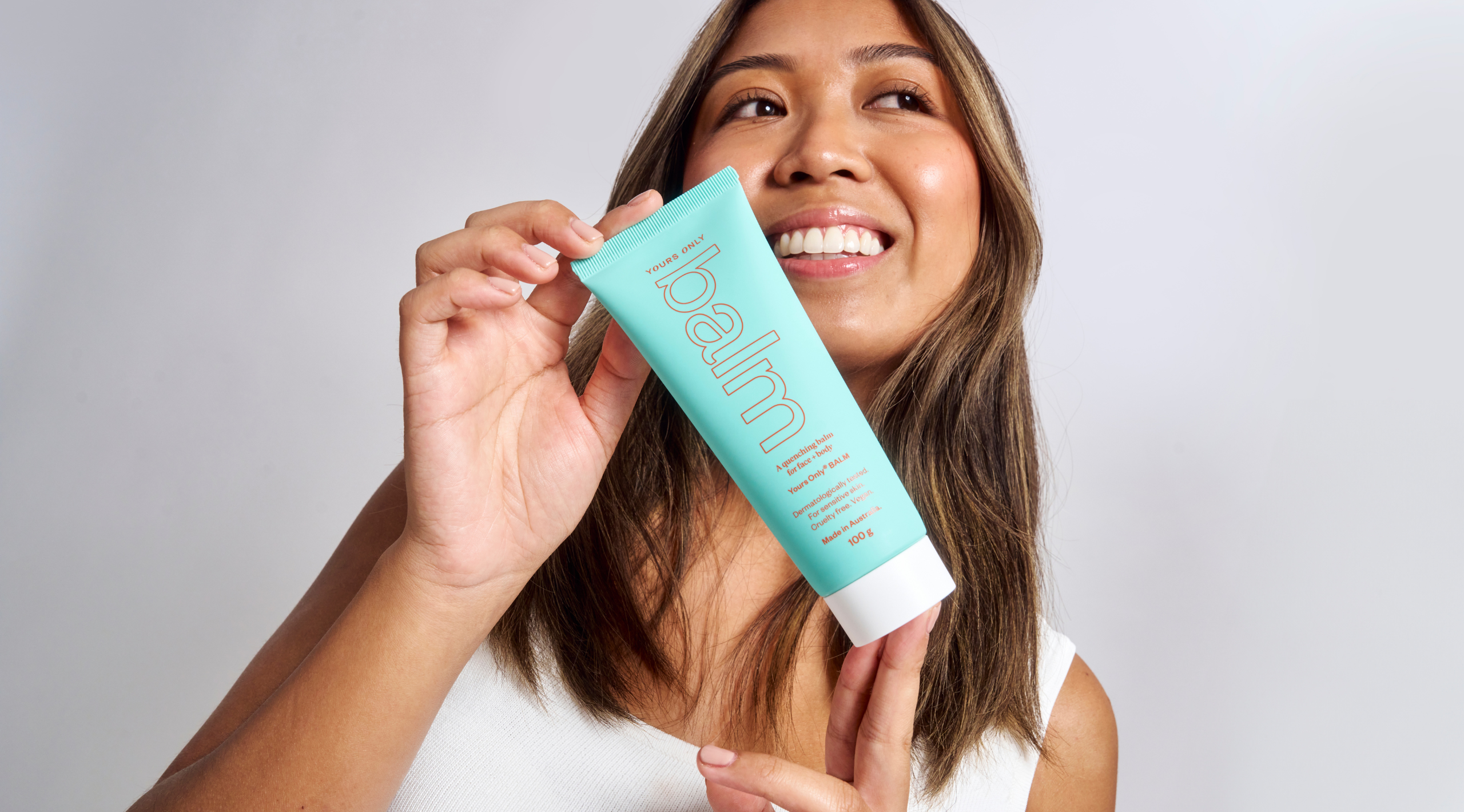
For lips, cracked skin or areas that need additional support, apply Lip + Body BALM wherever your skin needs a little extra nourishment. Keeping your routine this simple makes it much easier to stay consistent, and consistency is often one of the biggest factors in helping sensitive skin feel calmer over time.
Key takeaways
-
Skin cycling rotates active ingredients like retinol and exfoliating acids throughout the week.
-
Skin simplifying focuses on using fewer products and reducing potential irritants.
-
Neither approach is right for everyone, but sensitive skin often benefits from a simpler routine.
-
If your skin frequently feels irritated or reactive, supporting your skin barrier should be the priority.
-
A consistent routine with gentle, multi-use products can often be more beneficial than constantly adding new treatments.
Shop CLEAN, COAT and BALM at Yours Only. Our 3-step routine to cleanse, nourish and protect sensitive skin with simple multipurpose products designed to support your skin barrier, without fragrance or common irritants.