

Dry scalp vs product build-up: How to tell the difference
If you've been dealing with flakes lately, you might be wondering what's actually causing them. Is your scalp genuinely dry? Or could it be product build-up that's overstayed its welcome?
One of the most confusing things about scalp health is that dry scalp and product build-up can look almost identical. Both can cause flakes. Both can cause itchiness. Both can leave your scalp feeling uncomfortable.
As someone with a hypersensitive scalp, I've been there myself. It's easy to assume every flake means your scalp needs a stronger shampoo, a scrub or another product thrown at the problem. But that's not always the case.
Sometimes those flakes are a sign your scalp needs more moisture. Other times they're simply leftover residue from the products you're already using.
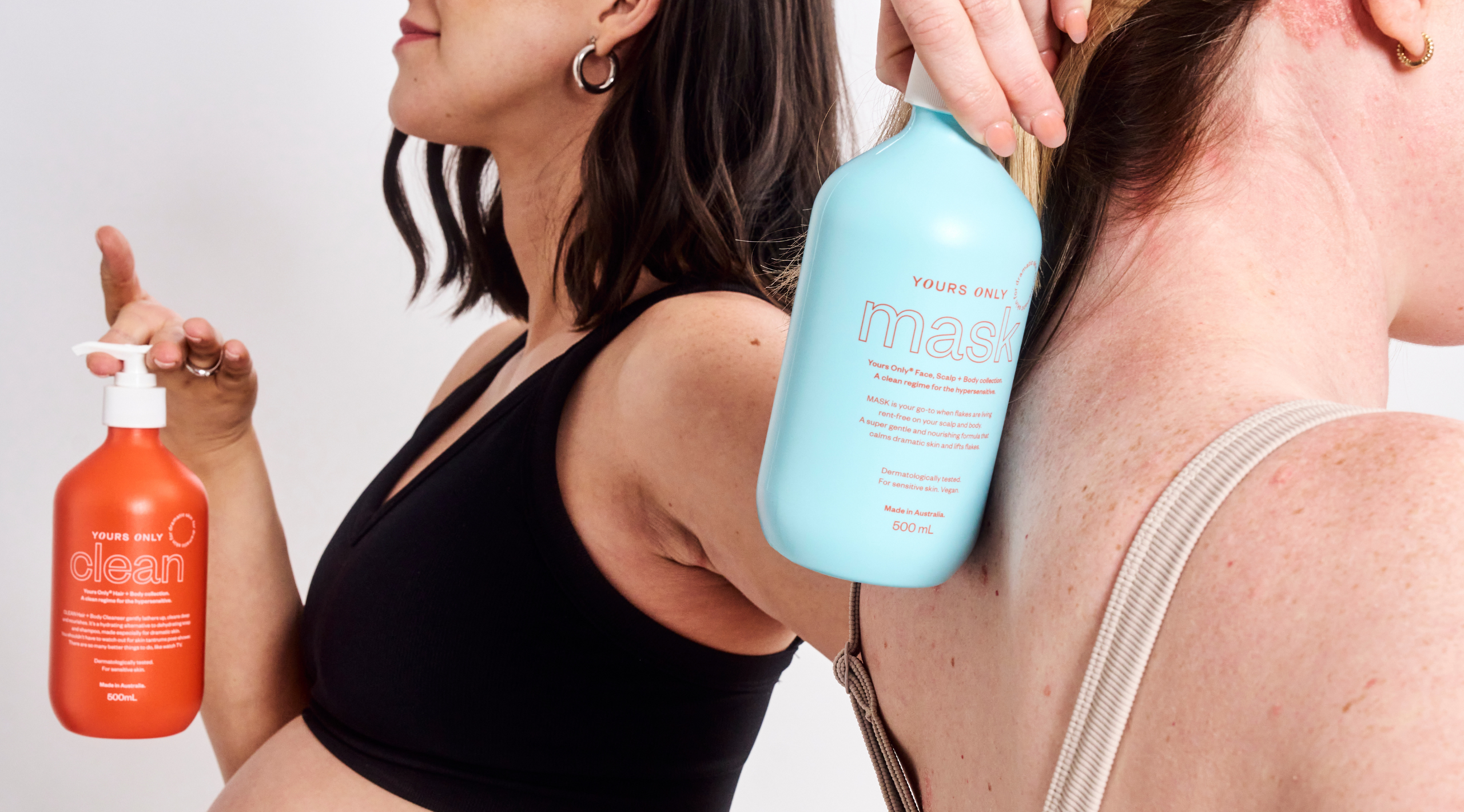
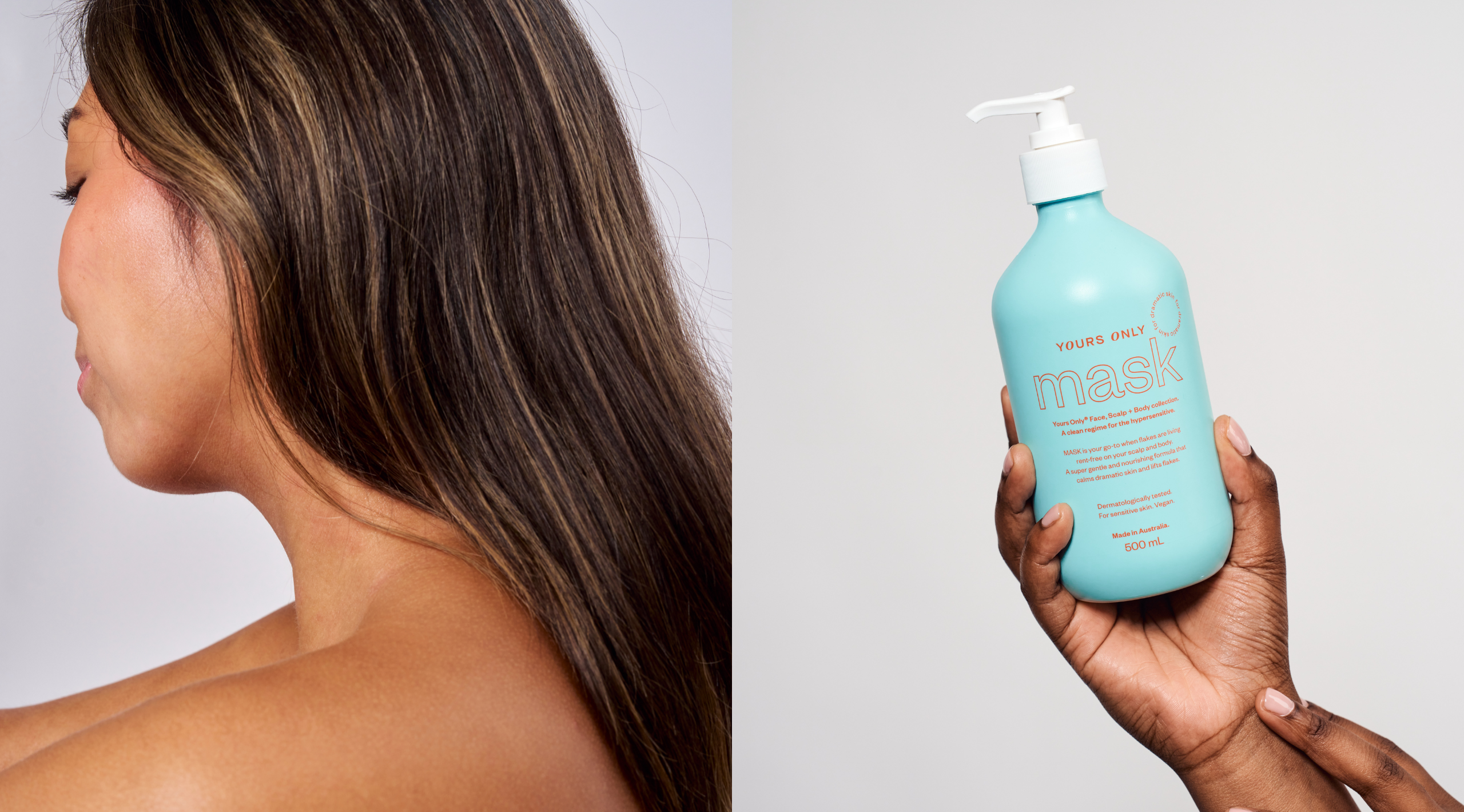
That's why I created Scalp, Hair + Body MASK. I wanted a simple scalp mask that could help nourish dry, flaky and uncomfortable scalps without fragrance, common irritants or unnecessary complexity.
If you're trying to work out whether you're dealing with dry scalp or product build-up, here's what to look for.
What is a dry scalp?
A dry scalp occurs when the skin on your scalp doesn't have enough moisture. Just like the skin on your face or body can become dry during winter, your scalp can too. This can happen for a number of reasons, including:
- Cold weather
- Indoor heating
- Hot showers
- Overwashing
- Harsh haircare products
- A weakened scalp barrier
When your scalp becomes dry, the skin can begin to shed small flakes as it tries to renew itself.
Signs of a dry scalp
Dry scalp usually produces smaller, lighter flakes that fall easily from the scalp. Many people also notice itchiness, tightness or a feeling that their scalp is "too clean" after washing. Similar to dry skin elsewhere on the body, symptoms often become more noticeable during winter or after spending time in heated indoor environments.
What is product build-up?
Product build-up happens when haircare products, oils, dead skin cells and residue accumulate on the scalp over time.
Even products that are designed to help your hair can leave residue behind if they're not properly removed. Common culprits include:
- Dry shampoo
- Styling products
- Hair sprays
- Leave-in treatments
- Heavy conditioners
- Oils
Over time, this build-up can make the scalp feel coated, uncomfortable and sometimes itchy.
Signs of product build-up
Product build-up tends to create a different experience. Rather than feeling dry, the scalp may feel coated, waxy or slightly greasy. Hair can feel heavier than usual, and some people find their hair never quite feels clean, even after washing. The flakes themselves are often larger and may be mixed with oils or product residue.

Dry scalp vs product build-up: Key differences
The biggest clue is usually how your scalp feels. If your scalp feels tight, dry or itchy, particularly during winter or after washing, dryness may be playing a role. Dry scalp flakes are often smaller, lighter and tend to fall away easily from the scalp.
Product build-up usually feels different. Rather than feeling dry, your scalp may feel coated, waxy or slightly greasy. Hair can feel heavy at the roots, and you might find it never feels completely clean, even after washing. The flakes themselves are often larger and may appear mixed with oils or product residue.
Of course, scalp health is rarely black and white. Many people experience both dryness and build-up at the same time, which is why identifying the root cause can be tricky.
A good rule of thumb is this: if your scalp feels like it needs moisture, you're likely dealing with some level of dryness. If it feels like there's a layer sitting on top of your scalp that won't wash away, build-up may be contributing to the problem.
Can you have both at the same time? Yes. In fact, it's surprisingly common.
A sensitive scalp can become dry and irritated while also accumulating residue from shampoos, conditioners, styling products or treatments. This is often where people get stuck. They see flakes and assume they need stronger cleansing products. But if dryness is also part of the problem, harsher products can sometimes make things worse.
Why sensitive scalps are more prone to both
If you have sensitive skin, eczema-prone skin or a reactive scalp, your scalp barrier may already be working harder than average.
When the barrier becomes disrupted, the scalp can become drier, more reactive, itchier and more prone to flaking
At the same time, sensitive scalps often don't tolerate heavily fragranced or highly active products particularly well, which can contribute to discomfort and irritation.
That's why I'm such a believer in keeping things simple. Over the years, I've learnt that sensitive skin rarely benefits from throwing more products at the problem. It usually benefits from having less to fight against. That’s the whole Yours Only philosophy in a nutshell.
How to support a dry or flaky scalp
If you're experiencing flakes, the goal isn't necessarily to scrub your scalp harder or add five new products to your routine. Instead, try focusing on the basics.
Use a gentle cleanser: Harsh cleansers can leave some scalps feeling even drier and more irritated. Choosing a gentle cleanser designed for sensitive skin can help cleanse the scalp without stripping it.
Simplify your routine: If you're using multiple styling products, oils and other products, it may be worth simplifying your routine temporarily to see how your scalp responds.
Support your scalp barrier: A healthy scalp barrier plays an important role in maintaining comfort and moisture. For anyone dealing with dryness, itchiness or flakes, I always recommend using MASK as a pre-wash scalp mask.
MASK can be applied directly to the scalp for 15 minutes or even left on overnight before washing. It's designed to help nourish the scalp and support comfort without fragrance or common irritants. Read more about the ingredients in MASK here.
Stay consistent: When it comes to sensitive skin and scalps, consistency is often more important than intensity. A simple routine followed consistently usually delivers better results than constantly switching products or trying the latest trend.
When should you seek professional advice?
If flakes are persistent, severe or accompanied by significant redness, soreness or discomfort, it's worth speaking with a healthcare professional.
Conditions such as dandruff, psoriasis, seborrhoeic dermatitis and eczema can sometimes look similar to dry scalp or product build-up and may require specific treatment.
Key takeaways
TLDR:
- Dry scalp is usually caused by a lack of moisture, while product build-up is caused by residue accumulating on the scalp over time.
- Dry scalp flakes tend to be smaller and are often accompanied by itchiness or tightness.
- Product build-up often leaves the scalp feeling coated, greasy or heavy, even after washing.
- Many people experience both dry scalp and product build-up at the same time.
- If your scalp is flaky, a simpler routine and products that support the scalp barrier can often help more than adding additional products.
- If you only pick one product to support a dry scalp, start with MASK.
Shop Scalp, Hair + Body MASK at Yours Only. Created for sensitive skin and scalps, MASK is designed to help nourish dry, flaky and uncomfortable scalps while supporting a healthy scalp barrier.