

Can indoor heating make eczema worse? What you need to know
Some of the worst things about winter? The 7am darkness, the surprise rain, the wind that somehow finds every gap in your jacket and, for many of us, the eczema flare ups that seem to show up the minute the heaters go on.
Yep, if your eczema always seems to get worse in winter, you're definitely not imagining it. It's something I've experienced myself.
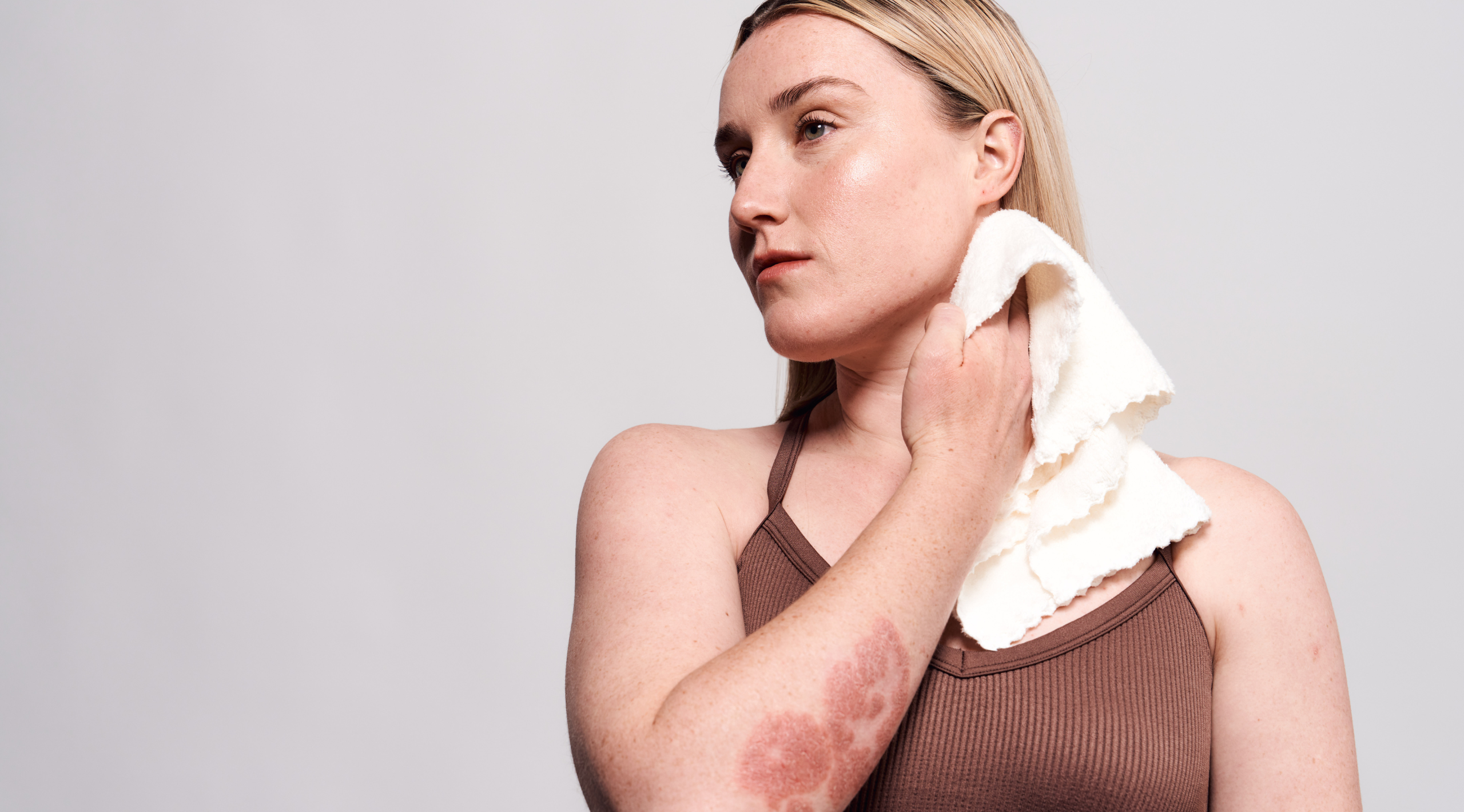
As someone with hypersensitive skin, winter used to equal eczema. No matter how much moisturiser I applied, my skin always started to feel tight and itchy when the temperature dropped.
It wasn't until I realised how much indoor heating was affecting my skin barrier that things started to make more sense.
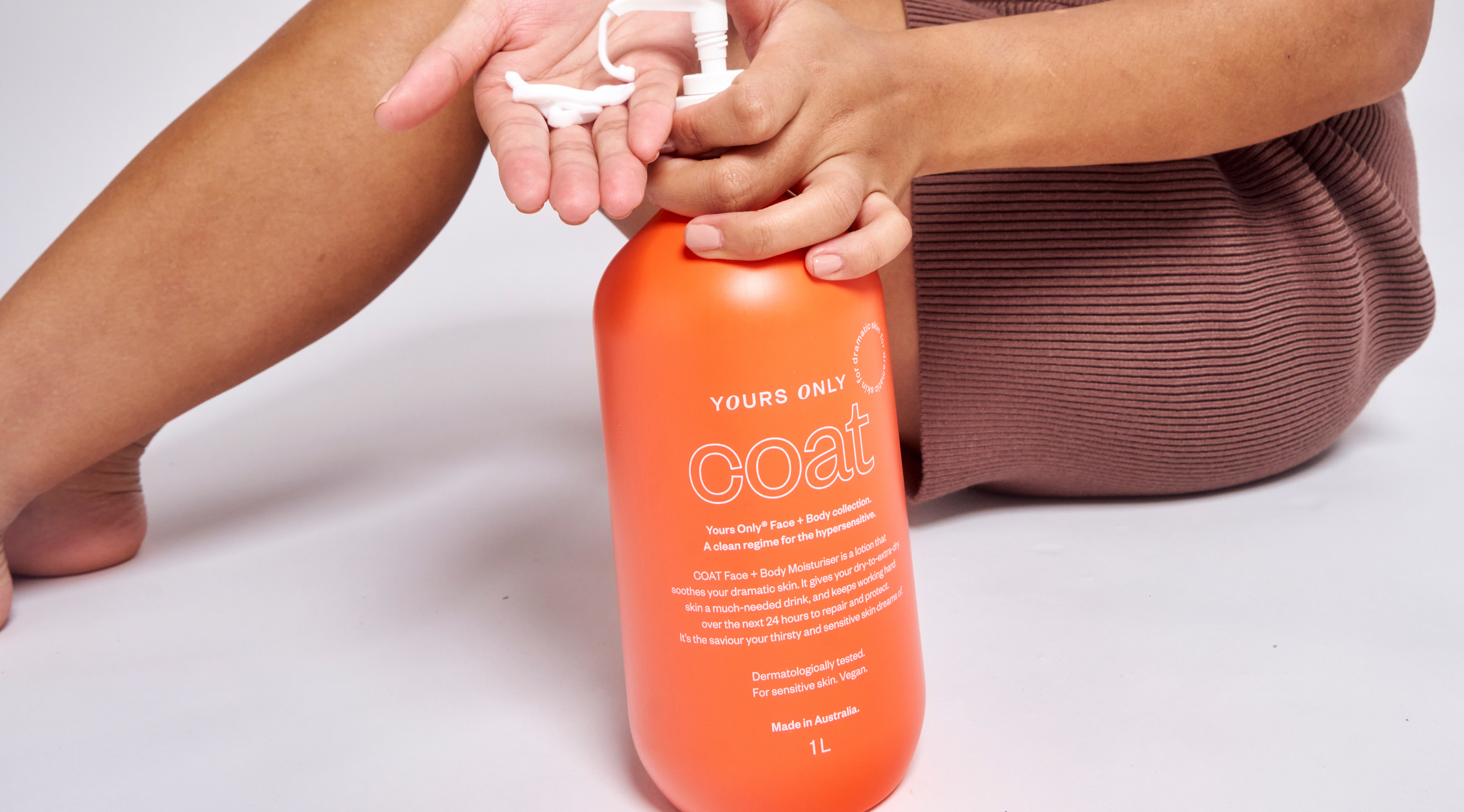
In fact, my own experiences with sensitive skin are a big part of why I created CLEAN 8-in-1 Hair, Face + Body Cleanser and COAT Face + Body Moisturiser. I wanted a simple routine that helped reduce potential irritants, support my skin barrier and take the guesswork out of caring for reactive skin during flare-prone seasons.
When winter hits, it's easy to blame the weather outside. But over the years, I've realised that indoor heating can be just as challenging for sensitive, eczema-prone skin as the cold air outdoors.
So can indoor heating make eczema worse? In my experience, yes. Here’s how to support your skin through this season.

Why eczema often gets worse in winter
Winter can be tough on sensitive skin. Cold weather, lower humidity, hot showers and indoor heating can all contribute to increased dryness and irritation. If you already have eczema-prone skin, these factors can put extra pressure on your skin barrier.
Your skin barrier is your skin's protective layer. It helps keep moisture in and irritants out. When it's healthy, skin feels comfortable and hydrated. When it's struggling, skin can become dry, reactive, itchy and more prone to flare ups. That's why so many people notice their eczema gets worse during winter.
How indoor heating affects your skin
One thing many people don't realise is that heaters don't just warm the air. They also tend to dry it out. When the air around you contains less moisture, your skin can lose moisture more quickly too. For eczema-prone skin, that can mean increased dryness, itching and irritation.
It's not necessarily the heater itself causing eczema. It's the dry environment it creates.For skin that's already sensitive, that extra dryness can be enough to push things in the wrong direction.
Signs indoor heating may be affecting your skin
Trying to work out if this is one of your triggers? Indoor heating might be contributing to your eczema if:
- Your skin feels drier when the heater is running
- Itching increases during winter
- Your skin feels tight shortly after moisturising
- Flare ups seem more frequent during colder months
- Your skin feels more comfortable when you're outdoors or away from heated space.
Of course, everyone's skin is different, but these are some of the patterns I've seen both personally and within the Yours Only community.
How I support my skin during winter
The good news is that you don't need to throw your heater out the window. Instead, I focus on reducing the amount of stress my skin is exposed to during winter. Here’s what I do each winter to keep my skin as healthy as possible.
I avoid overheating my skin: As tempting as it is, I try not to have scorching hot showers or sit directly in front of the heater for hours. Both can leave my skin feeling drier and more reactive.
I stay consistent with my moisturiser: One of the biggest lessons I've learnt is that consistency matters more than constantly changing products. I stick to COAT all year round, no matter what. If my skin is particularly dry, I add a few drops of OIL. That’s it.
I keep my routine simple: When my skin is struggling, my instinct used to be to add more. But over time I've learnt that sensitive skin doesn't usually need more products, it needs fewer risks.
The bottom line
If there's only one thing you take away from this article, make it this: yes, indoor heating can make your eczema worse but there’s a simple way to support your skin.
Stay calm and stick to a simple, nourishing routine designed for hypersensitive skin. In my experience, a simple routine built around a gentle cleanser (CLEAN) and a moisturiser designed to support the skin barrier (COAT) can often make a bigger difference than a complicated shelf full of skincare.
Shop CLEAN + COAT at Yours Only. A gentle cleanser and moisturiser duo designed to help cleanse, nourish and support sensitive skin without unnecessary complexity. Because sensitive skin often needs less products, not more.