

Why is my scalp itchy after washing my hair?
If your scalp feels itchy, tight or irritated after washing your hair, you're definitely not alone. It's actually something I've experienced myself.
As someone with hypersensitive skin, I've spent years trying to work out why products that were supposed to help often seemed to make things worse. And one thing I've learnt is that an itchy scalp isn't always a sign that your scalp needs stronger products or more treatment. Sometimes it's a sign that it's feeling overwhelmed.
That's a big part of why I created Yours Only. I wanted products that worked with sensitive skin, not against it.
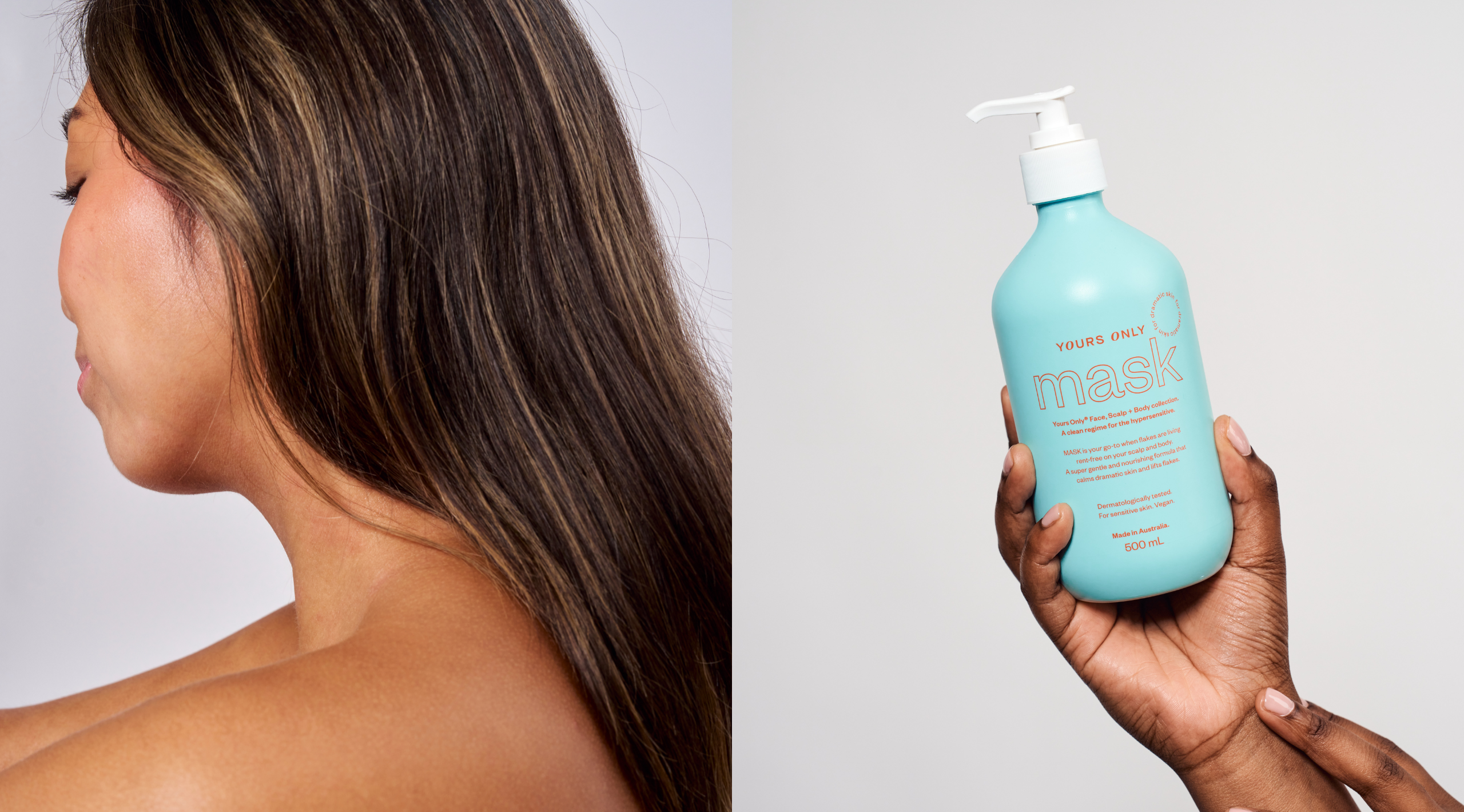
The Yours Only routine for an itchy scalp is simple. CLEAN 8-in-1 Face + Body Cleanser can be used as a gentle shampoo alternative to cleanse without leaving the scalp feeling stripped or tight, while Scalp, Hair + Body MASK was created to help nourish dry, flaky scalps and support a healthy scalp barrier. SLEEK Hair Conditioner is best used through your mid-lengths and ends for soft, nourished hair without the heaviness.
Want to know more about what's actually going on with your scalp if it feels itchy after washing your hair? Let's get into the details.
Why is my scalp itchy after washing my hair?
An itchy scalp after washing can happen for several reasons. Common causes include:
- Harsh shampoos
- Fragrance and other irritants
- A compromised scalp barrier
- Hot water
- Dry weather and indoor heating
- Underlying scalp conditions such as eczema, psoriasis or dandruff
The good news is that identifying the cause is often the first step towards a calmer scalp.
1. Your shampoo may be too harsh
Many shampoos are designed to create that squeaky clean feeling. The problem? Squeaky clean isn't usually a good thing.
Strong cleansing ingredients can remove not only dirt and oil but also the natural oils that help keep your scalp comfortable and protected.
When this happens, your scalp can become dry, tight and itchy shortly after washing.
If you find yourself scratching your scalp within hours of shampooing, your cleanser may simply be doing too much.
2. Fragrance and common irritants could be triggering your scalp
Your scalp is skin. And just like the skin on your face or body, it can react to ingredients that don't agree with it.
Fragrance is one of the most common triggers for people with sensitive skin, but it's not the only one. Preservatives, essential oils and other ingredients can also contribute to irritation in some people.
This is why many people notice that their scalp feels worse after trying a new shampoo rather than better.
If your scalp is sensitive, choosing products with fewer potential irritants can often make a significant difference.
3. Your scalp barrier may need support
You've probably heard people talk about the skin barrier on your face. Your scalp has one too.
The scalp barrier helps lock in moisture and protect against external irritants. When it's compromised, your scalp can become more vulnerable to dryness, itching and irritation. A damaged scalp barrier can be triggered by:
- Overwashing
- Harsh products
- Hot water
- Environmental stressors
- Existing skin conditions
For many people, supporting the scalp barrier is just as important as cleansing the scalp itself.
4. Hot water can leave your scalp feeling dry and tight
A piping hot shower on a cold winter morning feels incredible, I get it. Unfortunately, your scalp may disagree. Hot water can strip away protective oils and contribute to moisture loss, leaving your scalp feeling dry and uncomfortable afterwards.
If your itchiness tends to be worse during winter, your shower temperature could be playing a role.
Try using warm rather than hot water and see whether your scalp feels more comfortable afterwards.
5. Winter weather can make scalp irritation worse
Winter isn't just hard on your skin. It's hard on your scalp too. Cold air, indoor heating and lower humidity levels can all contribute to dryness and irritation.
For people with sensitive skin, eczema-prone skin or psoriasis, these seasonal changes can make an already reactive scalp feel even more uncomfortable.
It's one of the reasons scalp concerns often flare up during the colder months.
How to calm an itchy scalp after washing
If your scalp feels itchy after washing, the goal isn't necessarily adding more products.
In many cases, it's about reducing potential triggers.
A few simple steps can help:
- Choose a gentle cleanser
- Avoid unnecessary fragrance and irritants
- Wash with warm rather than hot water
- Support your scalp barrier with nourishing ingredients
- Keep your routine simple and consistent
In my experience, sensitive scalps rarely need a complicated routine. They usually just need less to fight against.

A simple routine for sensitive scalps
This is the routine I always recommend for people with sensitive, flaky or reactive scalps.
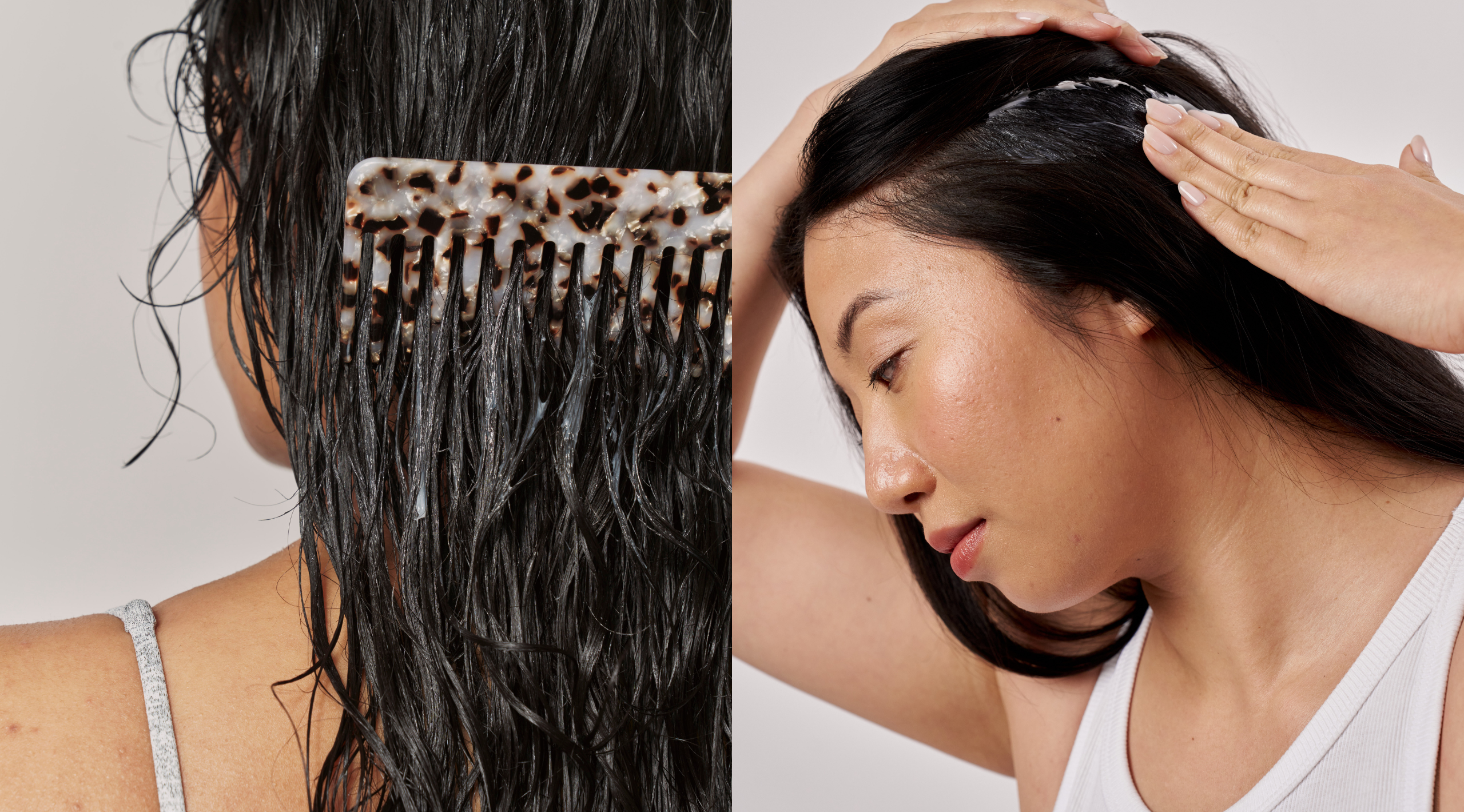
Step 1: Apply Scalp, Hair + Body MASK to your scalp, neck, behind your ears or anywhere that’s a bit sensitive or flaky. Apply for 15 minutes or leave on overnight before cleansing to help support a dry, flaky or irritated scalp.
Step 2: CLEAN 8-in-1 Face + Body Cleanser can be used as a gentle shampoo alternative to cleanse without leaving the scalp feeling stripped or tight.
Step 3: Follow with SLEEK Hair Conditioner through your mid-lengths and ends to help nourish and soften hair without weighing it down.
Promise me you’ll stick with it? Rather than constantly switching products or adding more steps, consistency is usually what helps the most. In my experience, sensitive scalps rarely need a complicated routine. What you need is fewer potential irritants and a routine that supports both the skin and scalp barrier over time.
When should you see a healthcare professional?
If your scalp itchiness is severe, persistent or accompanied by significant flaking, redness, pain or hair loss, it's worth speaking with a healthcare professional.
Conditions such as eczema, psoriasis, seborrhoeic dermatitis and fungal scalp conditions may require personalised advice.
The bottom line
If your scalp is itchy after washing your hair, it doesn't necessarily mean your scalp needs stronger products. In many cases, it means your scalp may be feeling overwhelmed.
A gentler routine, fewer potential irritants and products designed for sensitive skin can often make a bigger difference than adding another treatment or switching products every few weeks.
It's the philosophy I've built Yours Only around from day one: nourishing ingredients, less potential irritants, fewer risks and formulas designed to work with sensitive scalps, not against it.
Shop CLEAN, MASK + SLEEK at Yours Only. Created with sensitive skin and scalps in mind, this simple three-step routine helps gently cleanse, nourish and support a healthy scalp barrier without unnecessary irritants.