

Is fragrance in skincare bad for eczema?
Fragrance in skincare can be super polarising. Some people love a scented product and run for formulas that are perfumed. But if you have eczema-prone skin, fragrance in skincare can be less fun, and more irritation.
So, is fragrance bad for eczema? Hate to break it to you, but in many cases, the answer is yes.
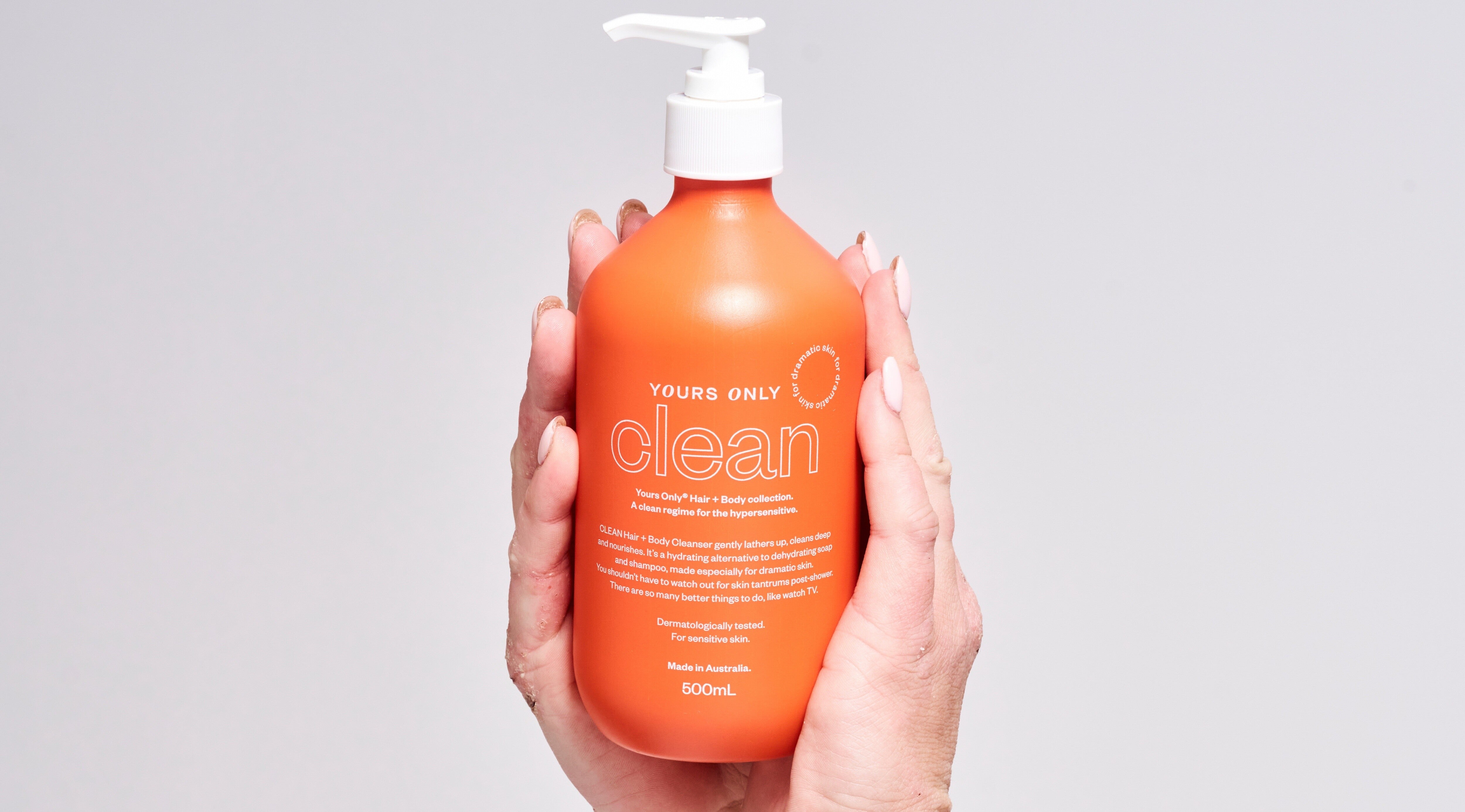
Here’s what you need to know and how you can keep your eczema-prone skin balanced while still creating a skincare routine that you love (hint: 8-in1 CLEAN Cleanser and COAT Face + Body Moisturiser are going to be your best friends).
Why fragrance can be a problem
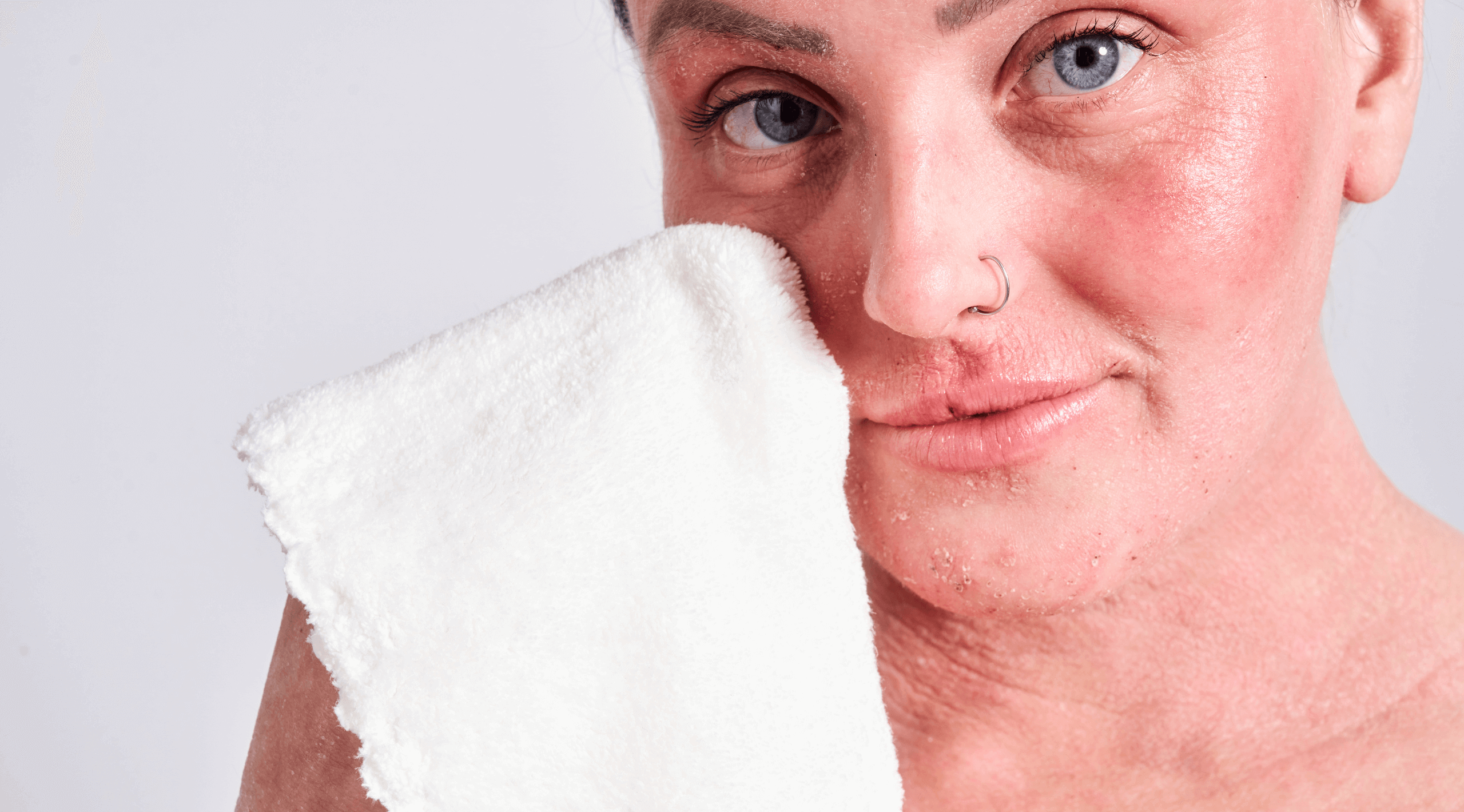
Eczema skin has a weakened skin barrier. That means it loses moisture easily and lets irritants in more readily. And fragrance in skincare is one of the most common skincare irritants linked to flare-ups.
On ingredient lists, fragrance may appear as:
-
Fragrance
-
Parfum
-
Aroma
-
Essential oils
 Here’s where things get more complicated: that single word can represent dozens of compounds. Some of them are known fragrance allergens, often associated with contact dermatitis and worsening eczema flare-ups.
Fragrance doesn’t cause eczema itself. But it can absolutely trigger eczema flare-ups and irritation if your skin is already reactive.
Fragrance-free vs unscented: not the same thing
FYI you might see products listed as fragrance-free or unscented; however, these terms are not interchangeable. And if you’re shopping for eczema skincare, this distinction matters.
-
Fragrance-free skincare means no fragrance ingredients have been added.
-
Unscented skincare can still contain masking fragrances to neutralise smell.
For eczema-prone skin, fragrance-free skincare is usually the safer option.
What about natural fragrance?
You could be forgiven for thinking that botanicals are natural and therefore should be gentle. However, that’s not usually the case.
Essential oils — think lavender, citrus or peppermint — are still fragrance compounds. When it comes to fragrance vs essential oils, eczema skin often reacts to both.
In fact, essential oils are common triggers of contact dermatitis in people with sensitive or eczema-prone skin.
How to create a skincare routine for eczema-prone skin
Got dramatic skin? Same. I created Yours Only for that very reason.
If you’re managing eczema, most dermatologists suggest simplifying your routine and avoiding known eczema triggers in skincare.
That usually means:
-
Choosing fragrance-free moisturisers for eczema
-
Sticking to products that have been formulated for hypersensitive skin
-
Patch testing new products
 Our entire range was formulated for sensitive skin and has been dermatologically tested on hypersensitive humans. Here’s a list of all the common irritants that we don’t add to Yours Only products: salicylates, gluten, nuts, soy, fragrance, parabens, triclosan, mineral oils, petrolatum, sulfates, colourants and animal-derived products.
If you have eczema-prone skin, you’re in the right place – all of our products were created with you in mind. Usually, we’d recommend starting out with our 8-in1 CLEAN Cleanser and COAT Face + Body Moisturiser. Together, these two products form a basic skincare routine to cleanse, moisturise and soothe picky skin.
Want to give your skin a boost of extra moisture and radiance? Add our Face, Hair + Body OIL as the last step in your routine. This lightweight oil nourishes sensitive, cracked and eczema-prone skin without leaving a greasy feeling.

So, is fragrance in skincare bad for eczema?
For many people, yes it can be.
Fragrance in skincare is a well-known trigger and offers no skin benefit beyond scent. The question is: if you’re eczema-prone and your barrier is already compromised, is it worth the risk? We say nah. Choose Yours Only instead.
If your skin is flaring, irritated or unpredictable, switching to a fragrance-free skincare routine for eczema may help reduce inflammation and support healing. Sometimes, the simplest routine is the one your skin will thank you for.