

Article: What actually is eczema and why does it happen?
What actually is eczema and why does it happen?
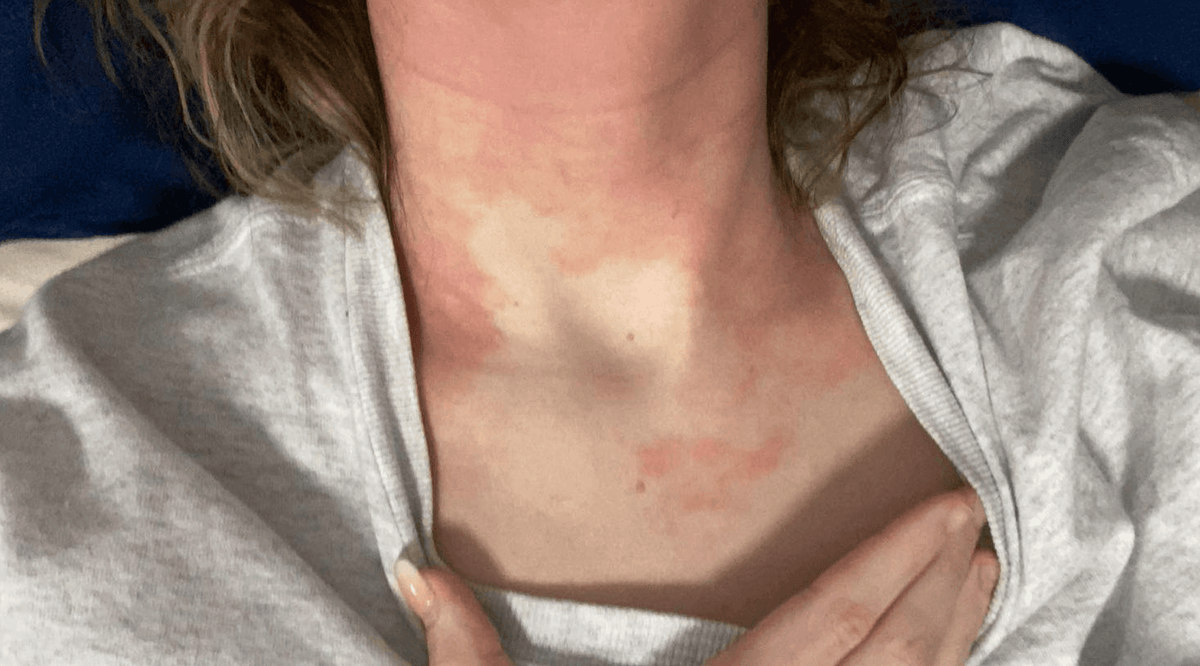
Eczema is an inflammatory skin condition that commonly presents as dry, itchy, red and irritated skin.
A major factor involved in eczema is impaired skin barrier function. Your skin acts as a protective shield for the body — helping to lock in moisture while keeping irritants, allergens and bacteria out. When that barrier becomes compromised, the skin loses moisture more easily and becomes increasingly reactive to things like weather changes, chemicals and fragrances in skincare products, stress, allergens and infections. This can create a cycle of skin inflammation and flare-ups that many eczema sufferers know all too well.
Is eczema only skin deep, or can internal health play a role?
If you're an eczema sufferer, you’ve probably noticed that flare-ups don’t always seem to match up with just what you’re putting on your skin. Sometimes your skin can flare during periods of stress, poor sleep, hormonal changes, illness or after certain foods - even when your skincare hasn’t changed at all.
Internal factors like gut health, stress, hormones, nutrient deficiencies and chronic infections can all influence inflammation within the body and impact skin reactivity. This is why eczema requires a more holistic, individualised approach to address these internal drivers, rather than just focusing on the skin alone.
Is there a link between gut health and eczema?
Absolutely. Around 80% of the immune system is located within the gut, which is why gut health can have such a significant impact on inflammation and skin health.
Research has shown that people with eczema often have lower levels of beneficial bacteria and reduced gut microbiome diversity compared to those without eczema. This can influence immune function, inflammation and skin barrier health, potentially contributing to increased sensitivity and flare-ups.
Supporting gut health can be an important piece of the puzzle when it comes to calming eczema from the inside out — not only to help regulate inflammation, but also to support the absorption of nutrients essential for skin repair and healing.

How do things like sleep, stress and nervous system regulation affect the skin?
Skin health is so closely connected to the nervous system. Poor sleep, chronic stress and feeling stuck in “fight or flight” can all increase inflammation within the body, weaken the skin barrier and trigger flare-ups.
When the body is in a constant state of stress, elevated stress hormones can impact everything from gut health and hormones to immune function and the skin’s ability to heal and repair. This is why supporting the nervous system, prioritising quality sleep and slowing down where possible can make such a difference in managing eczema flare ups.
Why does winter make eczema so much worse?
If your eczema always seems worse in winter, you’re definitely not imagining it.
Cold air, indoor heating and lower humidity levels all strip moisture from the skin, making it more dry, sensitive and prone to irritation and infection.
This is why winter skincare should focus heavily on protecting the skin barrier - think thick moisturisers, reducing moisture loss and avoiding long, hot showers that further dry the skin out.
What’s one skincare mistake you see people with eczema making?
One of the biggest mistakes I see eczema sufferers making is overcomplicating skincare. When the skin barrier is already compromised, too many active ingredients, exfoliants and fragranced products can further irritate the skin and keep the inflammatory cycle going.
With eczema, simple is usually better. Gentle, fragrance-free skincare that supports the skin barrier will always outperform an overcomplicated routine.
What should an eczema-friendly skincare routine actually look like?
An eczema-friendly skincare routine should be simple, gentle and consistent. The goal is to support and protect the skin barrier - not constantly strip, treat or overload the skin.

Cleanse
Use a gentle, fragrance-free cleanser to remove sweat, dirt and bacteria from the skin without stripping natural oils or increasing moisture loss. Yours Only CLEAN is perfect for this!
Moisturise
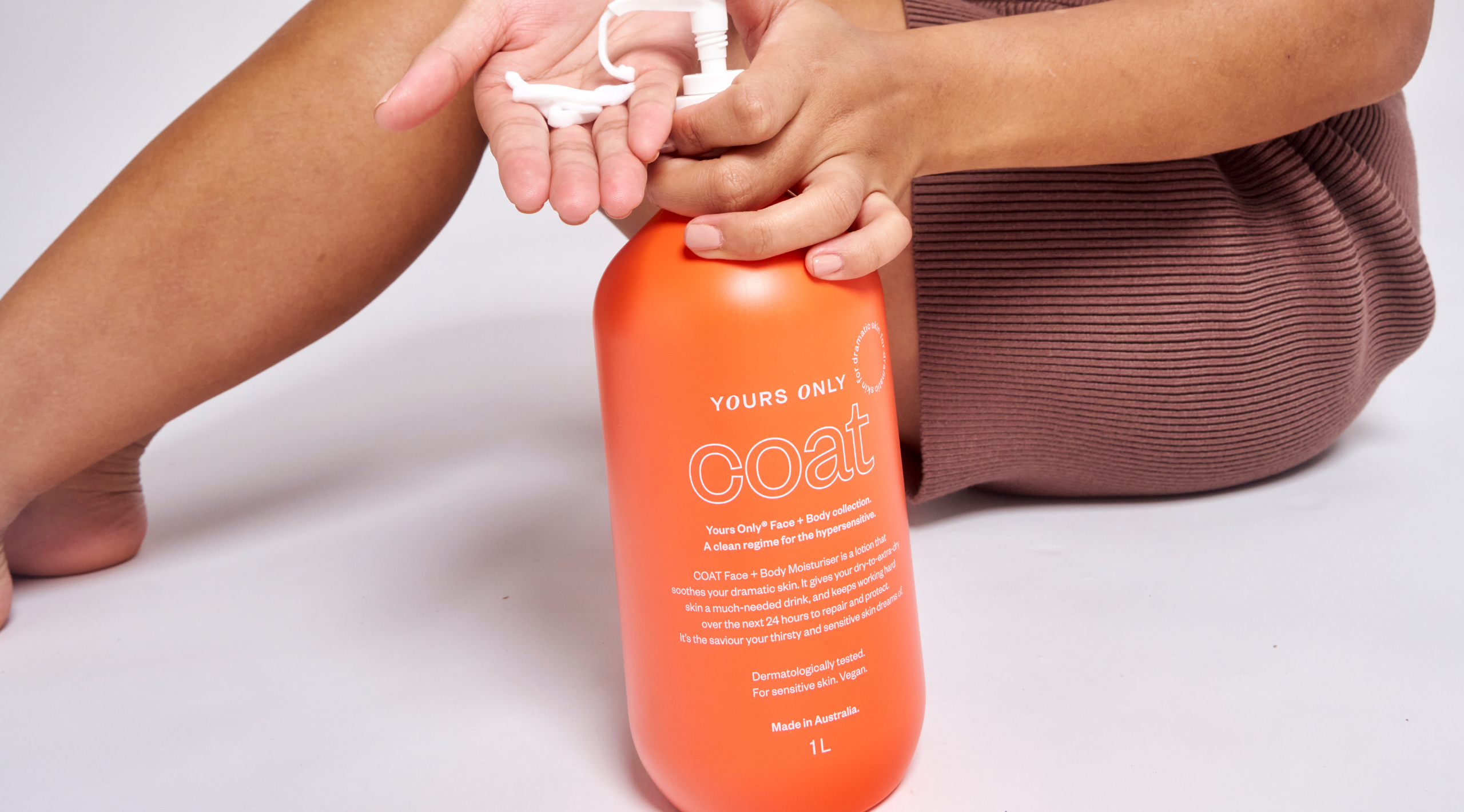
Apply a thick, nourishing moisturiser like Yours Only COAT regularly to help lock in hydration, strengthen the skin barrier and reduce dryness and irritation.
Nourish
To seal in moisture, use Yours Only OIL to nourish deeper layers of the skin and reduce water loss to increase hydration.
SPF always
Daily sunscreen matters more than most people realise. UV exposure can contribute to inflammation, skin barrier damage, pigmentation and increased skin sensitivity over time — even on cloudy days. Opt for a fragrance-free SPF 30+ sunscreen designed for sensitive skin and reapply regularly.

Thank you to Naturopath, Laura Wheeler for sharing her wisdom. She's dealt with eczema her entire life, and endured topical steroid withdrawal for many years. Follow her below.
Instagram - @nurturedbylaura
Website - https://www.nurturedbylaura.com